
Workplace Design Strategy: Creating Flexible, Collaborative Workspaces for the Future
As organizations adapt to changing workforce expectations, evolving technology, and increased competition for talent, workplace design has become much more than a facilities discussion. Today’s leaders are looking beyond square footage and furniture specifications to understand how their physical workplace can support employee engagement, strengthen workplace culture, and create environments where people want to work.
This shift has elevated workplace design strategy from a tactical planning exercise to a business imperative. Whether organizations are modernizing an aging office, consolidating real estate, or planning for future growth, the most successful projects begin with a fundamental question: How can the workplace better support people, performance, and long-term organizational goals?
- Why Workplace Design Strategy Matters
- How Workplace Design Strategy Supports Talent Attraction and Retention
- Designing Collaborative Workspaces That Support Productivity
- How Workplace Design Strategy Shapes Modernization Decisions
- Workplace Design for People, Performance, and the Future
Why Workplace Design Strategy Matters
Effective workplace design strategy begins with understanding how employees work today while preparing for how work may evolve. Organizations need spaces that support collaboration, focused work, technology integration, and operational flexibility without requiring constant reinvestment as business needs change. For many organizations, workplace transformation begins after years of minimal change.
How Reno-Tahoe Airport Authority Reimagined the Workplace for the Future
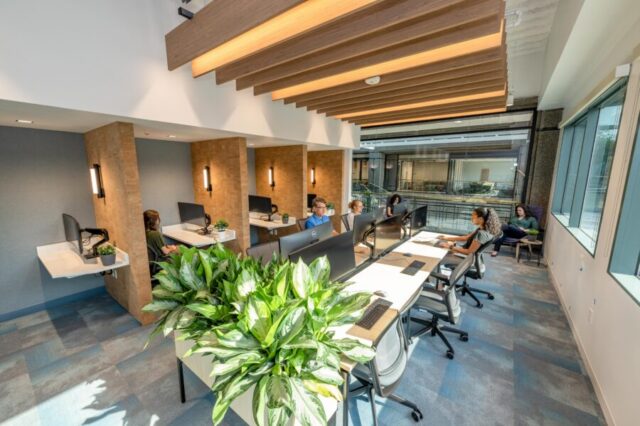
Like many organizations, the Reno-Tahoe Airport Authority was preparing for the future while working within a workplace model that had remained largely unchanged for years. As the administrative headquarters for a major airport campus and a centerpiece of a broader modernization program, the organization needed a workplace that better reflected its commitment to innovation, sustainability, and employee experience while supporting evolving ways of working.
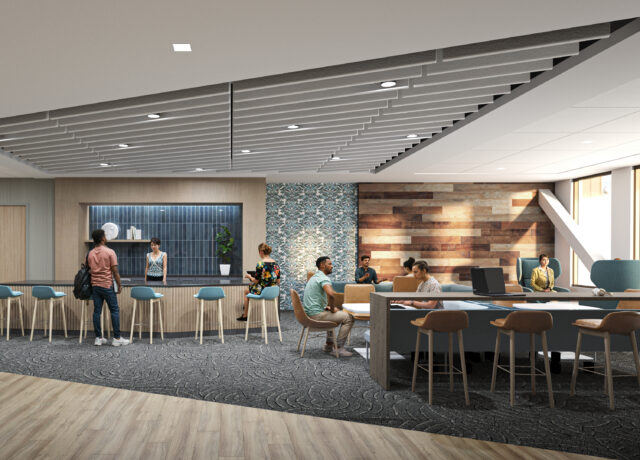
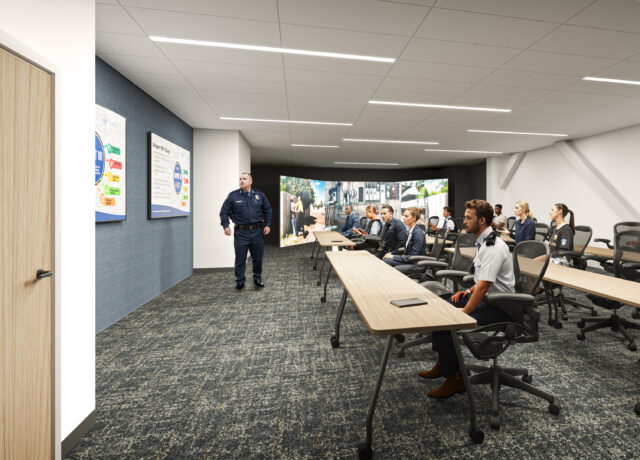
RS&H helped reimagine the workplace with a human-centered strategy focused on flexibility, collaboration, and long-term adaptability. The design incorporates modular workstations, collaborative hubs, quiet zones, access to outdoor spaces, natural light, and acoustic treatments to support a variety of work styles and employee needs. The result is a modern workplace designed to enhance comfort, productivity, and organizational resilience while creating an environment that aligns with the airport authority’s vision for the future.
How Workplace Design Strategy Supports Talent Attraction and Retention
Talent attraction and retention have become critical drivers of workplace modernization initiatives. Employees increasingly expect environments that support wellbeing, flexibility, collaboration, and productivity.
Research has consistently shown a connection between employee engagement and business performance. According to Gallup, organizations with highly engaged employees experience higher productivity, stronger profitability, lower absenteeism, and reduced turnover. For leaders, this reinforces the importance of employee engagement in the workplace and the role the physical environments play in supporting employee experience, collaboration, and wellbeing.
Successful organizations often begin by engaging employees throughout the planning process and design process. Employee surveys, stakeholder workshops, and workplace assessments provide valuable insights into what workplace amenities, spaces, and experiences employees need most. Just as importantly, involving employees in decision-making helps build trust, improve buy-in, and create a shared vision for the future workplace.
Designing Collaborative Workspaces That Support Productivity
One of the most common misconceptions in workplace design is that collaboration and productivity are competing priorities. In reality, the most effective collaborative workspaces support multiple work styles throughout the day.
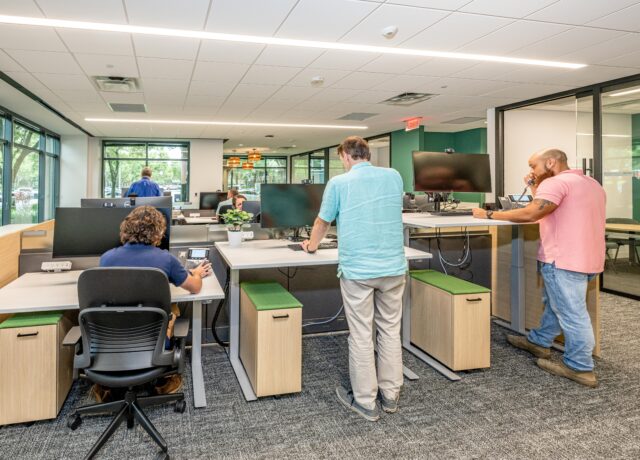
Organizations are increasingly investing in workplace amenities that encourage interaction while also supporting individual concentration. Thoughtful planning around acoustics, wayfinding, sightlines, and neighborhood design allows employees to move seamlessly between collaborative and focused work environments.
These flexible workspaces not only improve employee productivity but also create opportunities for the spontaneous interactions that often drive innovation and knowledge sharing. Shared conference rooms, centrally located collaboration zones, and work cafés help foster connections across departments while strengthening organizational culture.
How Workplace Design Strategy Shapes Modernization Decisions
Many organizations approach workplace modernization with a focus on finishes, furnishings, or visual upgrades. While aesthetics play an important role, effective modernization is ultimately about aligning the workplace with organizational goals and the experience they are trying to create for employees and customers or clients alike. A modern workplace should reflect the organization’s brand, support employee needs, and create a consistent experience across departments and locations.
Refurbish vs Replace Office Furniture: Looking Beyond Initial Costs
One of the most common questions organizations face during workplace modernization is whether to refurbish existing furniture or invest in office furniture replacement.
At first glance, refurbishing may appear to be the lowest-cost solution. However, a successful workplace furniture strategy requires evaluating the full lifecycle implications of that decision. Organizations should assess whether existing furniture is in suitable condition for continued use, as stains, worn upholstery, damaged components, and other signs of wear may require reupholstery or replacement parts regardless of the planned aesthetic. Reconfiguration, storage during construction, additional labor, and ongoing maintenance can further reduce anticipated savings.
Organizations must also consider whether existing furniture supports modern workplace goals. Older systems often feature larger footprints, higher panel walls, and configurations that limit access to natural light, collaboration opportunities, and future flexibility. Modern office furniture is often designed to support smaller workstation footprints, improved workplace wellbeing, enhanced acoustics, and greater real estate efficiency.
The refurbish vs replace office furniture conversation should also include considerations related to sustainability, workplace equity, and long-term growth. Sustainable workplace design may support reusing furniture in certain situations, while headcount growth-focused organizations may benefit from furniture systems that better accommodate future workforce expansion.
Ultimately, the best workplace furniture strategy is not necessarily the least expensive option. It is the solution that best aligns with employee experience goals, operational needs, workplace culture, and future growth plans.

Workplace Design for People, Performance, and the Future
The future of workplace design is rooted in flexibility, employee engagement, workplace wellbeing, and adaptability. Organizations evaluating their workplace strategy should consider:
- Does our workplace support how employees actually work today?
- Are we enabling both collaboration and focused work?
- Can our space adapt as our workforce evolves?
- Are our workplace investments aligned with long-term business goals?
The answers can help identify where opportunities exist to create a workplace that better supports people, performance, and future growth.
Organizations that successfully integrate workplace design strategy into broader business planning are better positioned to attract talent, strengthen culture, improve collaboration, and respond to future change.
Related Insights
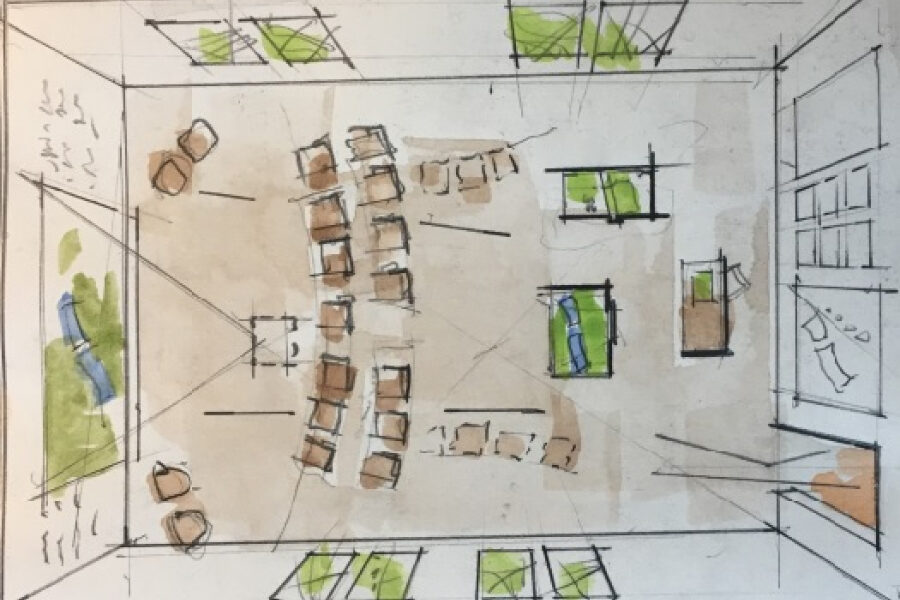
Modern design charrettes are collaborative and problem seeking, pushing creative boundaries while keeping client leaders engaged.
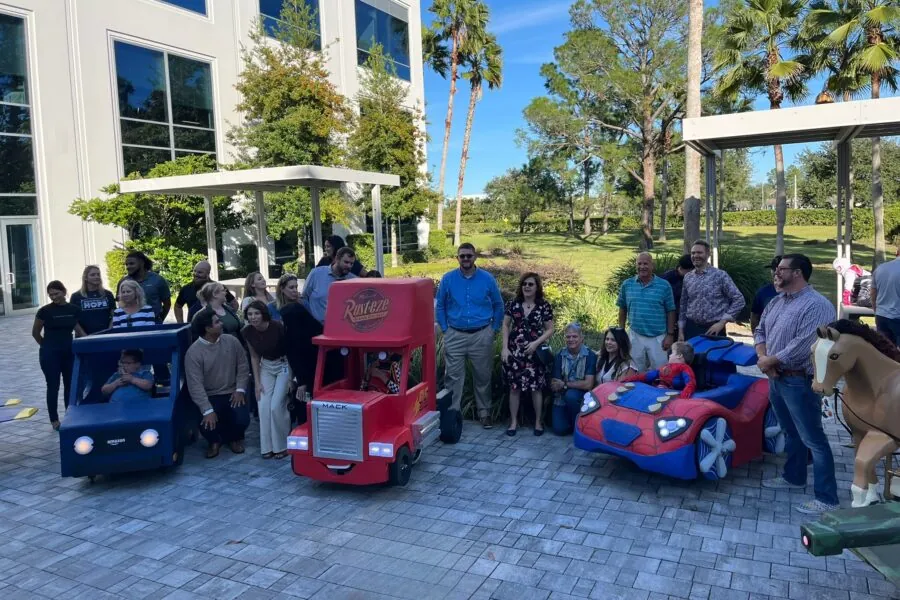
Every year RS&H associates help children living with disabilities fulfill their wishes by engineering a magical Halloween experience, complete with custom costumes adapted to their wheelchairs.
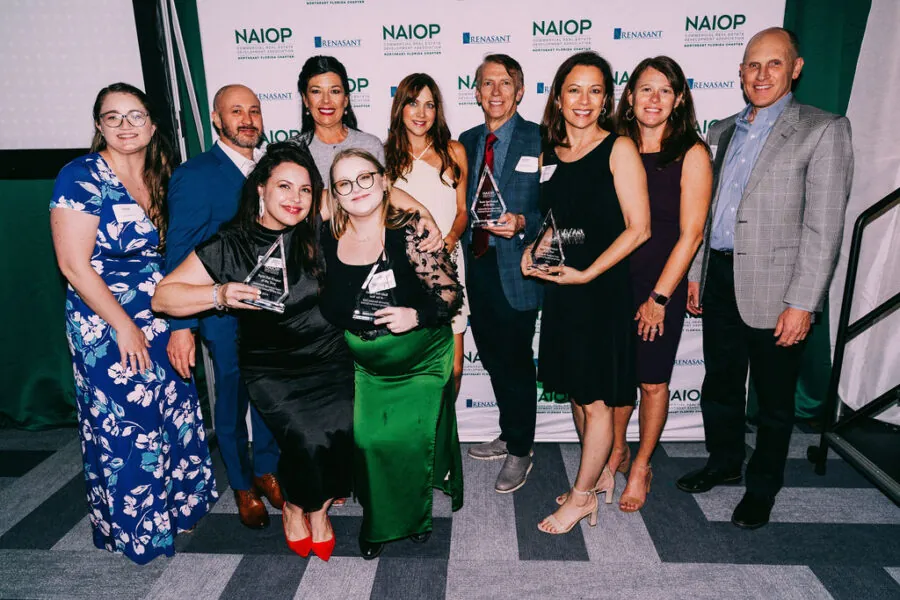
A confidential financial services client of the national architecture, engineering and consulting firm RS&H was awarded the Build-Out Project of the Year Award by the Northeast Chapter of NAIOP, Commercial Real Estate Development Association for the Jacksonville Operations Center project.
No longer on the bench as a ‘nice to have,' resilience and sustainability are top of mind as businesses move beyond ‘greenwashing’ and ‘eco-friendly’ to a new era where architects and engineers use design strategy and advanced technology to usher in next-generation sustainability.