Climate Resilience: Proactive Solutions to Address Vulnerability
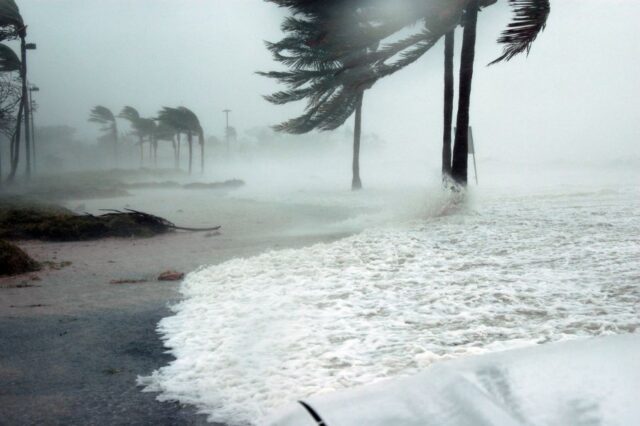
Hurricanes Irma and Michael left portions of Florida devastated and unable to recover quickly. The flooding and wind damage generated by these intense storms – along with extreme heat, precipitation and drought – are stressors associated with climate change.
With operations and assets increasingly vulnerable across the U.S., it is time to start thinking about resilience. A proactive approach can help ensure organizations are ready for what lies ahead
Resilience Assessment
Resilience is the ability to respond successfully to disruption. Organizations assess their resilience through a four-step process that includes understanding hazards, reducing risk, adapting to changing conditions and prioritizing vulnerabilities.
A resilience assessment can be a standalone activity, or it can be incorporated into commissioning projects, facility condition assessments or master planning efforts.
Step 1: Understand hazards
The climate stressors faced by an organization (sea level rise, storm surge, extreme temperature, rain, wind, drought, etc.) depend on the individual features of their assets and operations. It is crucial to understand tipping points – when does change reach a point when a system becomes threatened? Applying the latest authoritative climate science to an organization’s particular conditions can determine the likelihood that a climate stressor becomes a threat to a critical asset or operation.
Step 2: Estimate risk
To estimate the risk an organization faces from climate stressors, hazards must be evaluated by how they affect business operations. The consequence of a climate stressor on an asset or operation can be negligible or it could be catastrophic. Architectural and engineering experts can help estimate how consequential a stressor might be. Not all systems have the same effect on business. Is it critical to the mission, or can work continue, even at a diminished capacity? The answer requires engagement of perspectives from across the organization.
Step 3: Evaluate adaptive capacity
Adaptive capacity is the ability of an asset or operation to reduce damages or cope with consequences. Is an asset/operation flexible, redundant or modifiable? The current design, condition and lifecycle of an asset/operation must be evaluated to answer such questions. The results determine how important a given risk is to the organization.
Step 4: Prioritize vulnerabilities
Understanding hazards, estimating risk and evaluating adaptive capacity allow an organization to identify vulnerabilities and focus limited resources on solutions with the highest return on investment. An organization is most vulnerable to systems with a high risk to climate stressors and poor ability to adapt. These are the systems that demand immediate attention.
Resilience Design Solutions
After the assessment process, the development of solutions can begin. Planners, architects and engineers are tasked with understanding priorities and offering solutions that will make the organization less vulnerable and more resilient. Tools like life-cycle cost analysis and cost-benefit analysis can help determine how to prioritize solutions
Recommendations can be implemented through a capital improvement plan and incorporated into design criteria or operations and maintenance policies and procedures. Synergies with sustainable solutions that minimize needs for energy, fuel and water can save money and improve environmental quality while protecting assets and operations from long-term harm.
Taking a proactive approach to vulnerability caused by climate stressors is time well spent. If a disaster hits, a resilient organization can bounce-back quickly.
Related Insights
John Lengel Jr., PE, ENV SP, Vice President and National Discipline Leader at RS&H, received the 2026 Florida Airports Council J. Bryan Cooper Vision Award. The award recognizes his leadership and lasting contributions to aviation environmental stewardship, sustainability, and resilience.

Mike Rudzinski, AIA, NCARB, explores the trends shaping the next generation of airports, from smarter wayfinding and wellness-focused spaces to advanced air mobility, and how innovative terminal design is creating better passenger experiences.
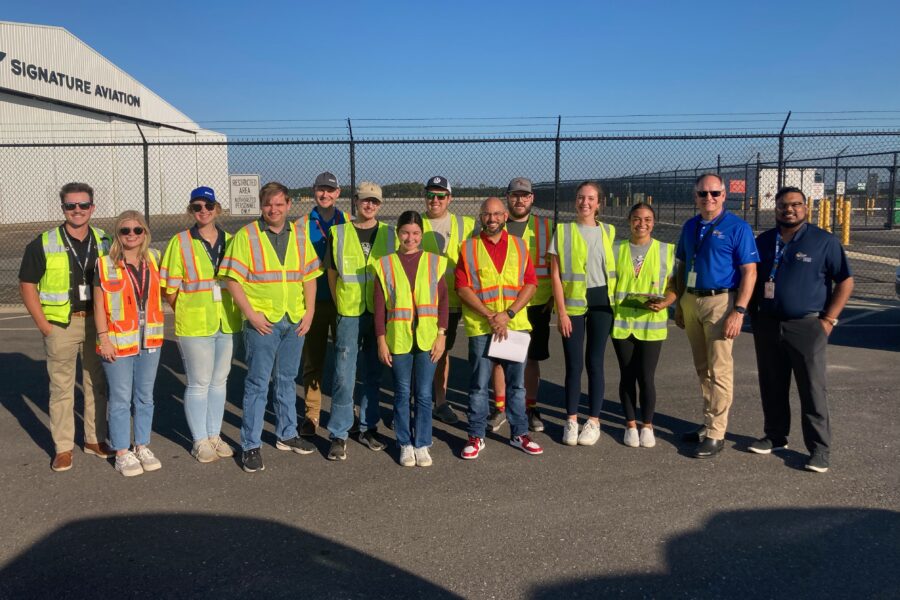
Growing in Lafayette, RS&H combines local connection with national expertise—supporting the community through partnerships, student engagement, and transformative work at Lafayette Regional Airport.
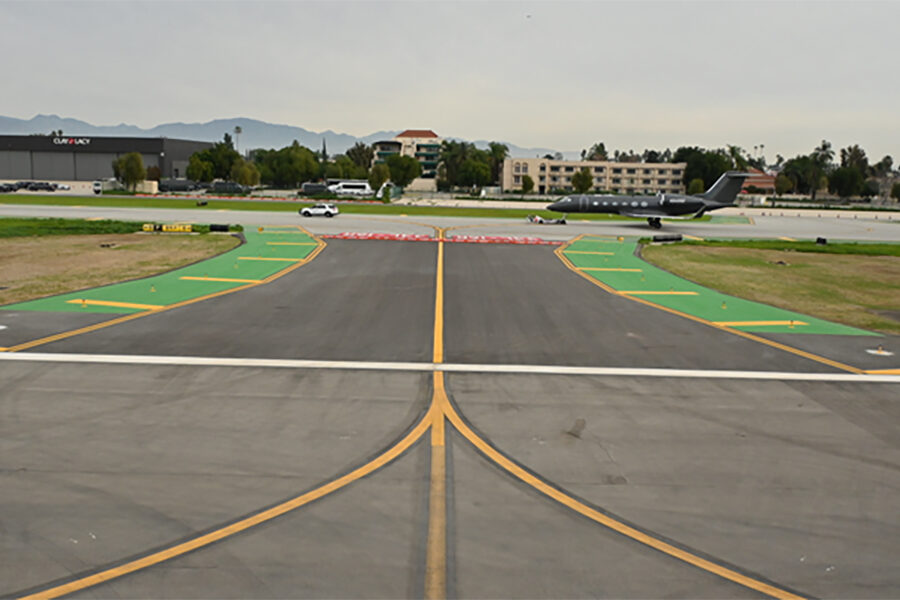
Upgrading critical taxiways at one of the world's busiest general aviation airports required careful planning, strong collaboration, and constant attention to construction safety. At Van Nuys Airport, RS&H delivered the upgrades while minimizing operational disruptions.