RS&H has acquired Texas-based OMEGA Engineers. Learn more.

Vehicle-to-Infrastructure Systems Reinvent Toll Collection

August 27, 2014      

Tags: Transportation

Since the turn of the century, transportation agencies have focused on the use of tolling to increase revenue and operational efficiencies that can be implemented to enhance that revenue. The tolls back office has radically changed from focusing on cash collection to improving electronic toll collection processes and customer satisfaction. The equipment in the lane also has been upgraded to lower costs. Transponder accuracy has led to higher revenue and an increase in the use of toll tags. Improved optical character recognition has enabled agencies to enact all electronic toll processes using license plate billing methods.

As these new generations of toll systems are deployed, agencies are faced with predicting the impact of technology on system procurement and the potential life of the system. The proprietary nature of toll systems can affect costs and flexibility not only in implementing the agency’s system but in ensuring the interoperability of systems. As toll managers make these decisions, they are ultimately affecting future revenue collection and customer satisfaction.

The Vehicle-to-Infrastructure Continuum

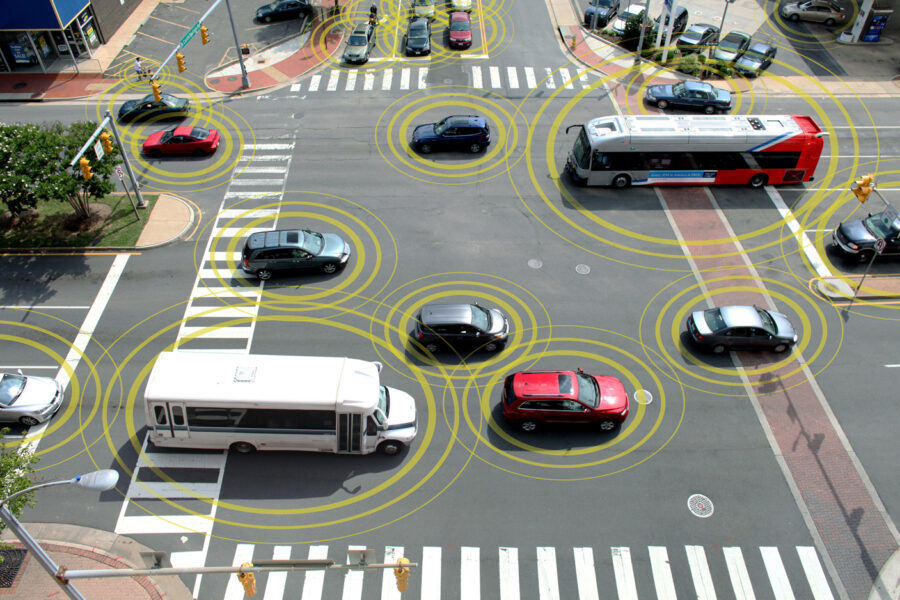
As an initial application of Vehicle-to-Infrastructure (V2I) communications technology, transponder-based tolling has already reduced environmental impacts and provided positive customer experiences that have increased the acceptance of toll facilities nationwide. Moving forward, we should keep up with how V2I technology is deployed and monitor its capacity to change toll collection techniques and processes. The move toward national interoperability will add additional demands to provide customers with the technical solutions they demand.

Is this far in the future or just around the corner? In June 2014, ITS International reported that the James Addams Memorial Tollway in Illinois is taking advantage of active traffic management technology. The $2.5 billion I-90 Rebuilding and Widening Project forms part of the $12 billon “Move Illinois: The Illinois Tollway Driving the Future” program. ITS International reports that as part of this program, overhead gantries at relatively short intervals will allow the advanced traffic management system (ATMS) to give drivers the status of upcoming traffic incidents and congestion. Monochrome digital dynamic signs are giving way to capable displays. The new corridor is being designed to cost-effectively integrate future ITS technologies – notably those needed to support dedicated short-range communications-based V2I and vehicle-to-vehicle communications systems.

The June 18, 2014 issue of Hybrid Cars (V2V and V2I As Seen By Toyota) reported that Toyota testified before the House Committee on Science, Space and Technology’s Subcommittee on Research and Technology.

“The automobile is currently undergoing a technological transformation that is reducing crashes, improving fuel efficiency, and bringing greater convenience and improved quality of life to drivers and passengers,” said Toyota Vice President Kristen Tabar. It is reasonable to expect that with the increased use of tolling, drivers will come to expect tolling to be a major part of this technology transformation.

An additional concern of all back-office technology and tolling legislation is protecting the customer information stored in an agency’s system. As systems are deployed and security concerns mount, the V2I industry is aware of this need and is developing privacy processes.

“The good news is that the connected vehicle system is being developed to support the security that is required to minimize the potential for hacking,” Tabar said.

Electronic tolling changed the back office and the lanes, and V2I has the potential to remake tolling and toll collection. As this technology continues to meet and overcome its challenges, industry professionals need to identify how to meet customer demands while maximizing revenue and lowering costs.


Stay in the Know

Sign up to receive RS&H and industry news, blogs, case studies, and more in our monthly newsletter.

This field is for validation purposes and should be left unchanged.
Name
Accept GDPR Terms(Required)

Related Insights

News
RS&H Joins Forces With Texas-Based OMEGA Engineers
August 25, 2026By Jennifer Nix McGerald, FSMPS, CPSM

Together, the firms bring complementary strengths that enhance service capabilities and position RS&H to deliver even greater value to transportation and infrastructure clients across the state.

Transportation

RS&H and FDOT earned top recognition in the 2026 DBIA Florida Region Project Awards for two transportation projects, highlighting excellence in infrastructure delivery, innovation, and collaboration.

Transportation
Insight
Navigating Modern Roundabout Design: Avoiding Common Pitfalls
June 26, 2026By Stacey Sinclair, PE, ENV SP, Jeff Leugers, PE, Jeremiah Davis, PE

As more roundabouts are implemented across the United States, more data is being accumulated while standards and guidelines continue to be revised and developed to assist in successfully designing and installing these facilities.

Transportation
Aerial view of a roundabout with road markings and surrounding greenery

Construction Manager/General Contractor and Progressive Design-Build are qualifications-based selections, involve a single-step approach, and typically require less time and resources from the owner and bidders during the procurement process.

Transportation
Aerial view of a park with a soccer field, colorful playgrounds, and landscaped green spaces surrounded by urban development.
RS&H logo in blue.
Privacy Overview

This website uses cookies so that we can provide you with the best user experience possible. Cookie information is stored in your browser and performs functions such as recognising you when you return to our website and helping our team to understand which sections of the website you find most interesting and useful.