How the CARES Act Affects Airport Funding
The Coronavirus Aid, Relief, and Economic Security Act (CARES Act) was signed into law on March 27, providing $10 Billion in Grants-In-Aid for airports affected by the COVID-19 pandemic. The Federal Aviation Administration (FAA) will now develop its process to carry out the intent of the CARES Act.
With this in mind, airports should act swiftly to anticipate the likely FAA process so grant funds are available as quickly as possible. In addition, other programs may become available and continual monitoring is needed.
The CARES Act: What We Know So Far
So far, the CARES Act provides $10 billion to eligible U.S. airports to help prevent, prepare for, and respond to COVID-19 impacts. These responses include support for continuing airport operations, funds to keep airports in reliable, safe operation and keep airport and aviation workers employed – and airport credit ratings stable.
The CARES Act divides the federal funds into four groups:
- Group 1 ($500 million): Increases the federal share to 100 percent for FY 2020 Airport Improvement Project (AIP) and FY 2020 supplemental discretionary grants.
- Group 2 ($7.4 billion): For commercial service airports.
- Group 3 ($2 billion): For primary commercial airports.
- Group 4 ($100 million): Set aside for general aviation airports.
With AIP and supplemental discretionary grants now backed entirely by federal dollars through Group 1 above, airports will not have to lean on state and local funding – as well as passenger facility charges – to make ends meet.
The funding available to airports here is not coming in the form of AIP grants. These funds are appropriated from the U.S. Treasury’s general fund and not from the Airport and Airway Trust Fund. The FAA will award funds on expedited basis and is encouraging sponsors to spend funds expeditiously.
Just about every expenditure is eligible. The FAA currently states that these funds are “available for any purpose for which airport revenues may lawfully be used” – or generally available for expenditures allowed by the FAA’s Policy and Procedures Concerning the Use of Airport Revenue (Revenue-Use Policy).
Funding Groups and Formula Development
Let’s look at how this funding will be allocated:
Group 2: Grantee formula for commercial service airports
- Half of the funding will be based on each airport’s percentage of enplanements for all commercial service during the 2018 calendar year.
- 25 percent will be based on each sponsor’s percentage of debt service for the combined debt service for all commercial service airports in 2018.
- The last quarter of funds are based on the sponsor’s fiscal year 2018 ratio of unrestricted revenues to its respective debt service.
Group 3: Allocation for large, medium, small and non-hub primary airports and non-primary commercial service airports with 8,000 –9,999 passenger boardings
- Funding is based on statutory AIP primary apportionment formulas to include:
- Doubling of apportioned fund for primary airports only.
- Exceptions include no $26 million limit for primary airports, and no reduction for imposing passenger facility charges.
- Minimum of $1 million for primary, commercial; service and $600 thousand for non-primary commercial service airports with 8,000 – 9,999 passenger boardings.
Group 4: GA airport funding
- Available to GA airports based on a percentage of the aggregate eligible development of each GA category published in the National Plan of Integrated Airport Systems (NPIAS).
- Funds are divided evenly among eligible airports in each category, rounding up to the nearest thousand dollars.
Three Steps Airports Can Take
Airport operators need a strong, experienced partner they can trust to help them achieve the best results for their facilities from the CARES Act.
Step 1: Listen and learn as a team
Work with your aviation consultants to match federal programs with your airport’s needs. Consultants should be able to provide an overview of applicable federal programs, discuss the inner workings of the FAA and how it approached other special funding situations in the past, and review your airport’s needs, ACIP, operating and debt service budgets, and help set the airport’s priorities and goals for the effort
Step 2: Formulate the way forward
Develop an overall grant acquisition plan in response to your airport’s priorities as identified in the first step. Jointly refine a list of items that require funding (i.e., debt service, personnel retention, concessionaire relief, infrastructure) and assess which items are most suitable for grant funding. Keep working together to finalize a priority order based on the range of potential grant funding amounts, and then jointly review the plan and establish contingencies for possible multiple rounds of stimulus, as well as an FAA outreach strategy.
Step 3: Implement the plan
Prepare, submit, and track grant applications, facilitate meetings with the FAA, and stay on top of the new FAA process to best position your airport. Continue to monitor the overall situation with a focus on possible multiple rounds of stimulus.
We’ve Been Here Before
Even though it may seem we’re in uncharted territory, there are several examples from past catastrophes and world events that the aviation industry has weathered.
We’ve seen the federal government jump in to stabilize airports and the aviation industry most notably after 9/11 with the Aviation and Transportation Security Act in 2001 and the American Recovery and Reinvestment Act.
These federal programs have not only helped the aviation industry recover, but these investments have helped lead to exponential growth in air travel.
By working with a knowledgeable aviation consultant, you can position your facility for future growth when the COVID-19 crisis subsides.
Learn more about our aviation services.
Related Insights
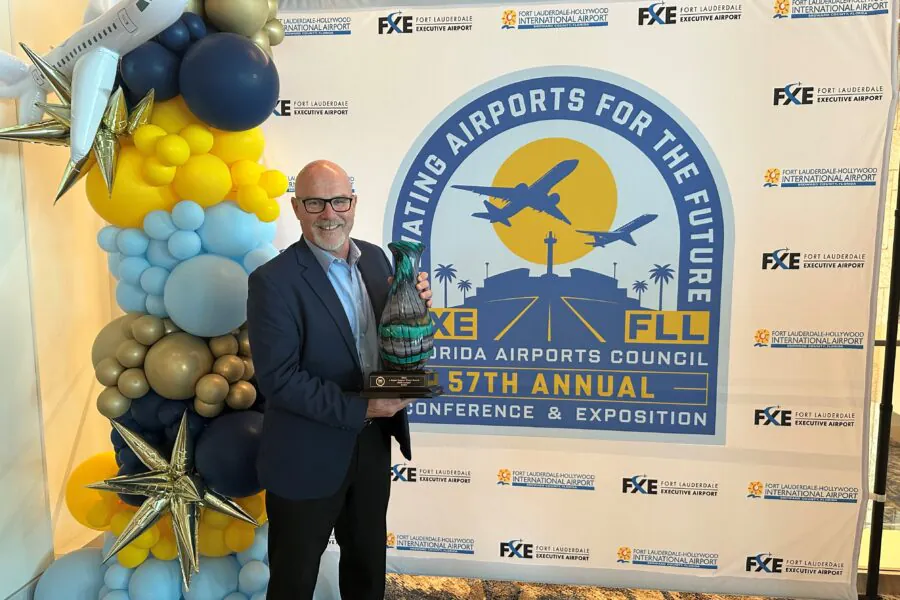
John Lengel Jr., PE, ENV SP, Vice President and National Discipline Leader at RS&H, received the 2026 Florida Airports Council J. Bryan Cooper Vision Award. The award recognizes his leadership and lasting contributions to aviation environmental stewardship, sustainability, and resilience.
Mike Rudzinski, AIA, NCARB, explores the trends shaping the next generation of airports, from smarter wayfinding and wellness-focused spaces to advanced air mobility, and how innovative terminal design is creating better passenger experiences.
Growing in Lafayette, RS&H combines local connection with national expertise—supporting the community through partnerships, student engagement, and transformative work at Lafayette Regional Airport.
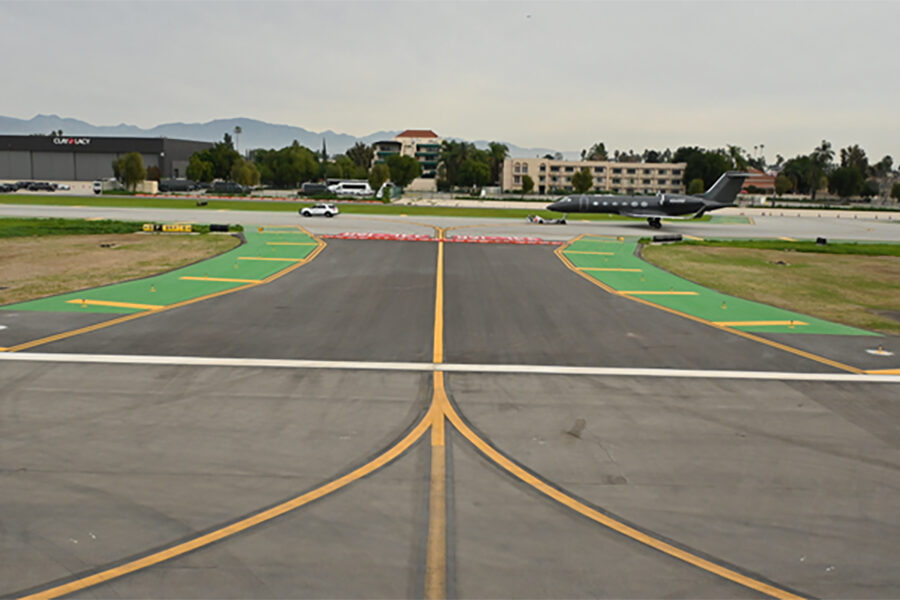
Upgrading critical taxiways at one of the world's busiest general aviation airports required careful planning, strong collaboration, and constant attention to construction safety. At Van Nuys Airport, RS&H delivered the upgrades while minimizing operational disruptions.