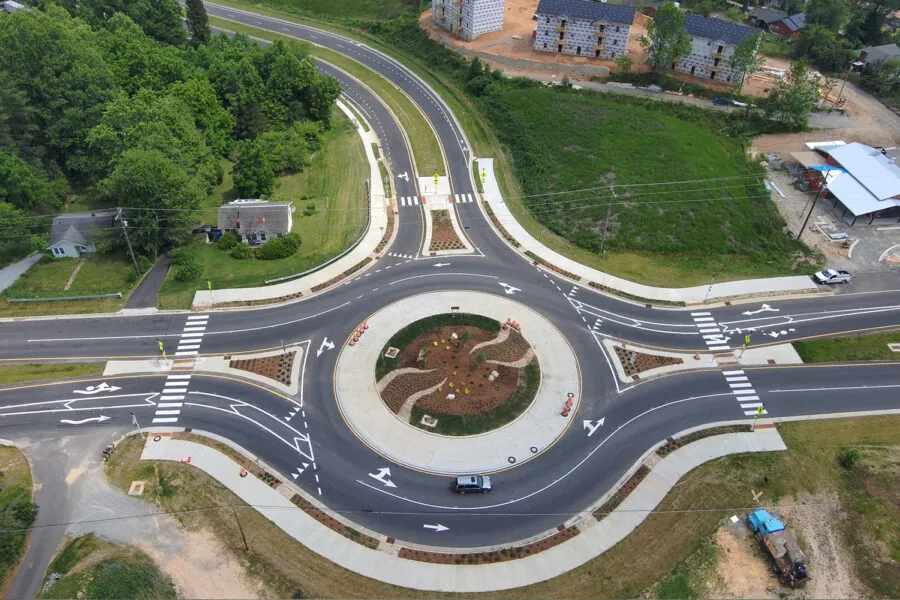
Drones Create Cost-Efficient Opportunity in Construction Industry
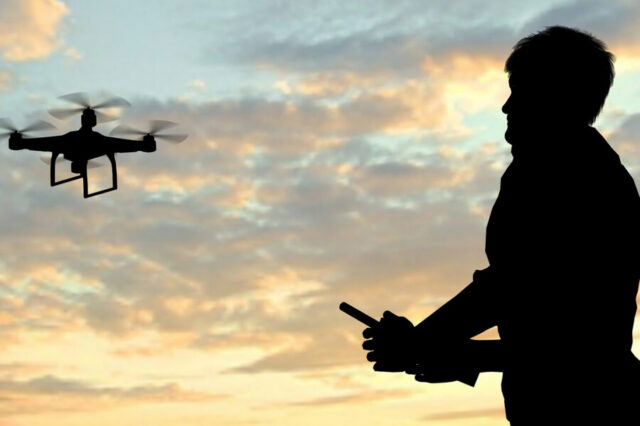
Small Unmanned Aircraft Systems (sUAS) – or more commonly known as drones – are improving the way we document progress and perform inspections in the construction industry. As the drone community expands, opportunities to improve project oversight, inspections, and ultimately protecting transportation owners’ best interests are becoming more and more abundant.
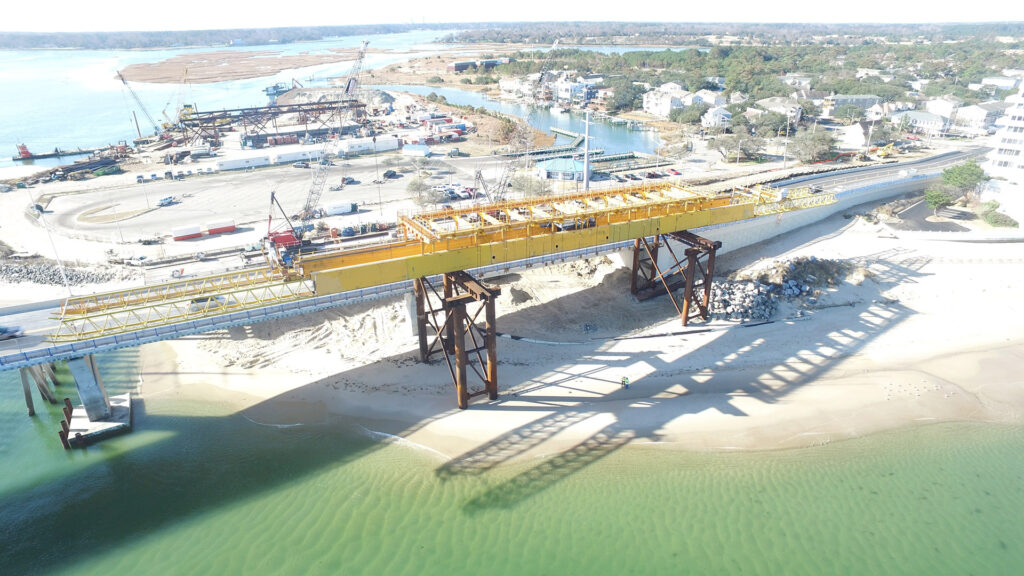
By using drones for a number of tasks, such as 3D modeling of existing structures to aid in re-design efforts or monthly documentation of transportation projects, transportation owners are staying up-to-date with their projects, while gaining a whole new perspective.
Regular documentation of project progress also has a dramatic effect on the ability to mitigate claims on projects. These documentation techniques are very cost-efficient when drones and certified pilots are available on-site. Some examples include:
- Documenting taper lengths and barrel spacing in accordance with maintenance of traffic plans
- Photographing before/after rain events to show the effects of turbidity/erosion control on water quality basins
- Quantifying equipment and materials on-hand in storage yards and staging areas for proper reimbursement to the contractor
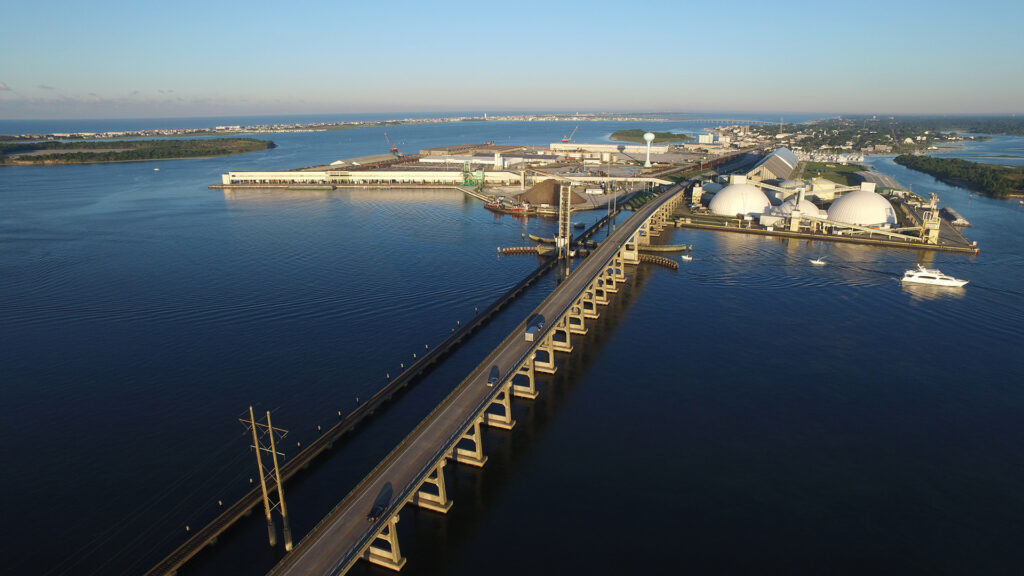
Until recently, contractors and transportation owners relied on regular manned aircraft aerial photography to document progress or major milestones. While this remains a viable and cost-effective option for projects that span many miles, contractors and transportation owners are utilizing in-house drone pilots or on-site consultants/contractors that may already have Part 107 certified pilots working day-to-day on projects.
But it’s not as easy as purchasing a drone and taking flight in the open skies. The Federal Aviation Administration (FAA) has laws and regulations to allow for commercial drone use after demonstrating a complete understanding of the unmanned aircraft system and passing an FAA Aeronautical Knowledge Examination. It takes both education and experience to be a drone pilot.
Aviation safety is paramount in three important categories: personnel, equipment, and operations.
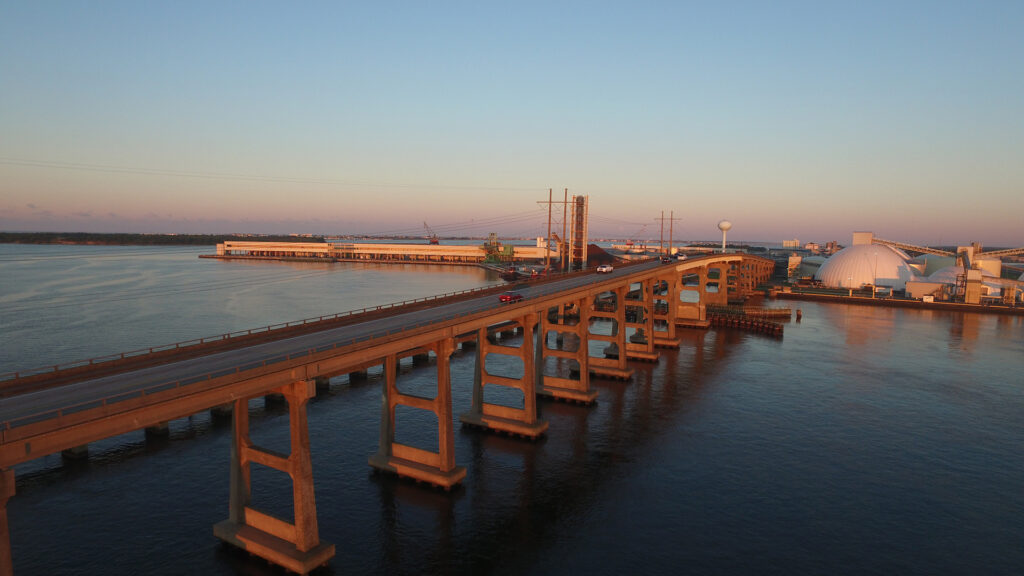 First, someone with the sUAS pilot license is directly responsible for all actions taken in regards to drone operation. This person is referred to as the responsible pilot-in-command.
Second, the responsible pilot must ensure proper set-up and understanding of all equipment prior to any take-off. It’s advised to conduct a check of the sUAS to confirm that the system has been maintained in a condition that is suitable for safe flight operations. RS&H has developed checklists and safety logs for each area, pilot, and drone for use in drone operations.
Finally, and most importantly, the responsible pilot must fly in a manner that is safe to all. Regulations that pilots should always abide by include, but are not limited to:
- always flying within visual line of sight
- following all airspace regulations
- not exceeding the limits of horizontal or vertical distances away from the pilot in command
With multiple airspace designations, the responsible pilot needs to be aware of any and all airspace conflicts that could pose an issue and effect a flight taking place. In order to make this decision for the pilot easier, there are multiple airspace applications that confirm a safe airspace to perform an operation in.
While the drone technology has been rapidly advancing, the policy and legislation has not, but that is not necessary a bad thing. There are still many questions that should be answered from both and industry and project-specific stand-point.
Q: How do we ensure cyber security related to the use of drone systems?
A: The FAA has denied applications for N-numbers for drones manufactured in China for this reason.
Q: How do we align industry demands with federal, state, and local laws/ordinances?
A: Many state and local governments have their own laws and ordinances for drones; some based on very real lessons learned related to privacy and safety.
Q: What can be changed with airspace to open the skies more towards drone use, but guarantee the safety and privacy of the public?
A: Some projects in rural areas may be more feasible in terms of safety and privacy to relax the visual line-of-sight rules.
RS&H currently operates four drones registered with the FAA, and has eight certified pilots. Drones will continue to be a major focal point in the construction industry. Growth in drone use is poised to reach new heights, but the success of this new technology will depend heavily on steady evolution of laws and best practices.
Related Insights
Systems integration is the foundation of successful managed lane programs, connecting technology, operations, and customer experience into one scalable platform.
Together, the firms bring complementary strengths that enhance service capabilities and position RS&H to deliver even greater value to transportation and infrastructure clients across the state.

RS&H and FDOT earned top recognition in the 2026 DBIA Florida Region Project Awards for two transportation projects, highlighting excellence in infrastructure delivery, innovation, and collaboration.

As more roundabouts are implemented across the United States, more data is being accumulated while standards and guidelines continue to be revised and developed to assist in successfully designing and installing these facilities.