Employee ownership is accessible to everyone at RS&H. Learn how we collectively succeed together.
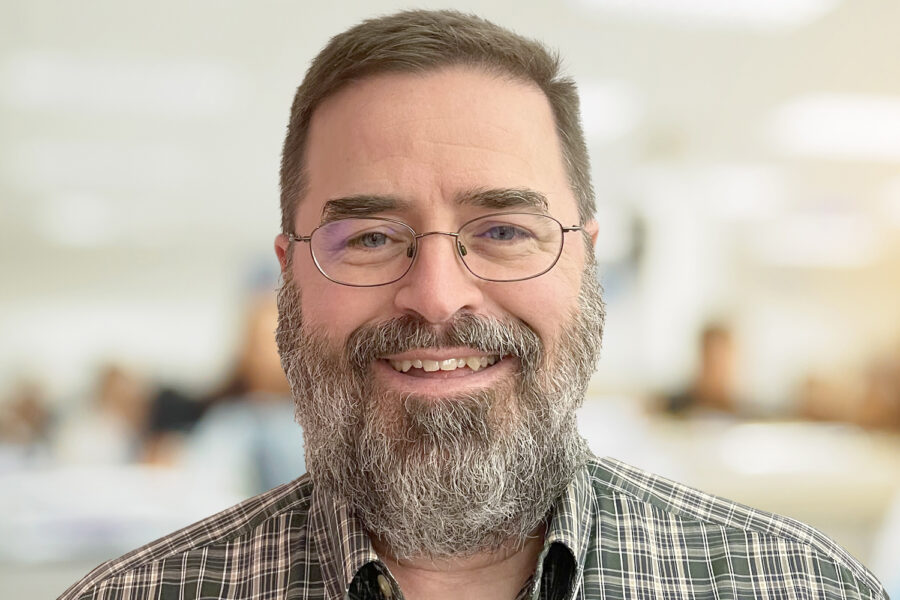
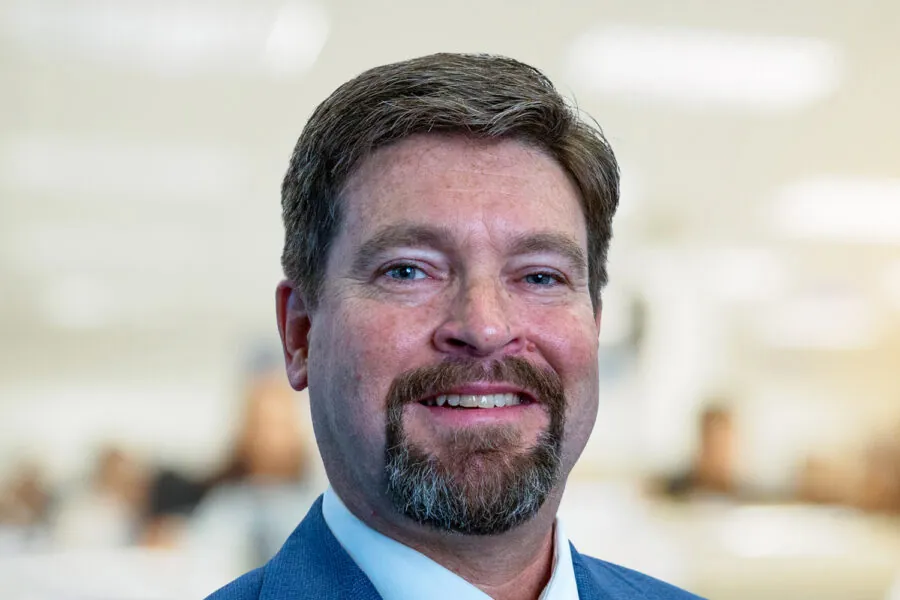
RS&H recently welcomed Curt Smith to the employee-owned, national engineering, architecture, and consulting firm as an aviation civil technician. In his new role, Smith will design and model airside and landside aviation projects using cutting-edge technology, bringing plans to life for our clients.
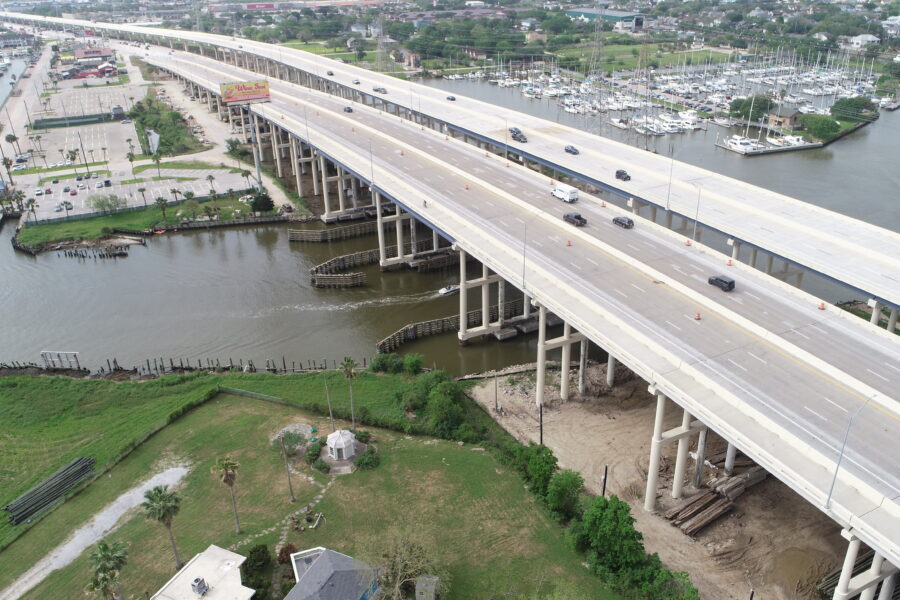
The Texas Department of Transportation was recently recognized at the 2024 Western Association of State Highway and Transportation conference for their State Highway 146 Expansion Project.
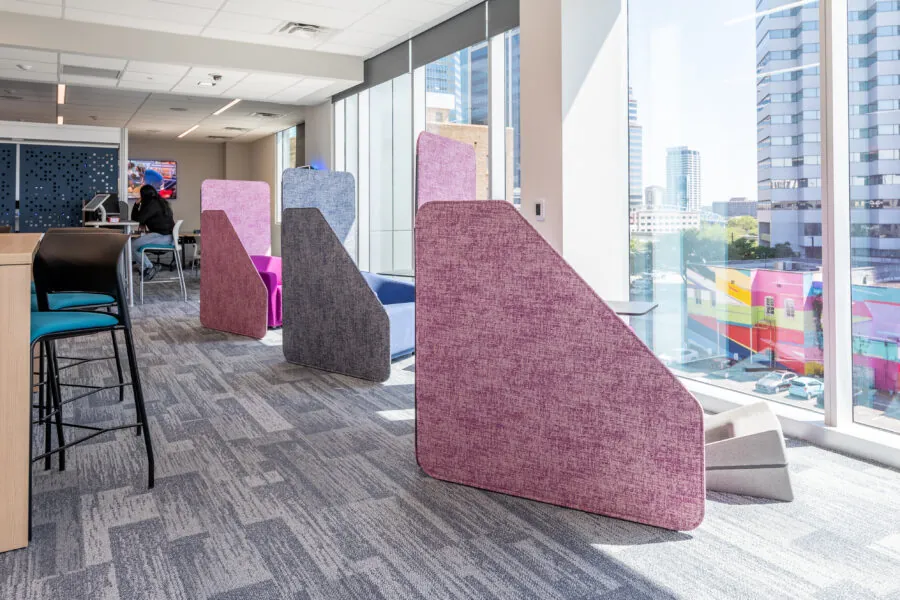
Jacksonville Electric Authority (JEA) recently earned the prestigious WELL Silver certification from the International WELL Building Institute for its new corporate headquarters.
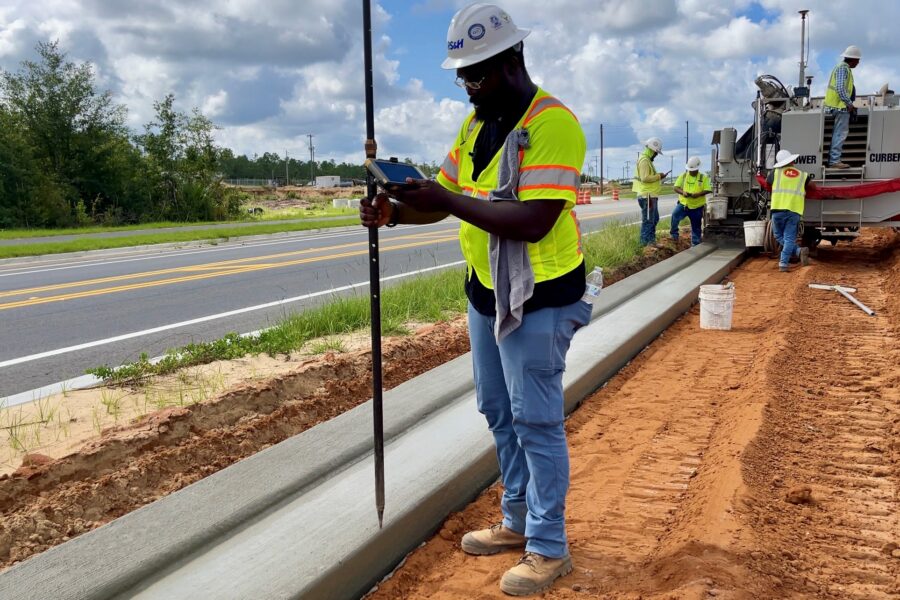
Watch as subject matter experts from FDOT and RS&H share real-world examples of 3D CEI and design, demonstrate how 3D CEI enhances construction and maintenance, and discuss best practices for use in the field.
RS&H recently welcomed Tim Lee, PE, to the national engineering, architecture, and consulting firm as a principal electrical engineer.
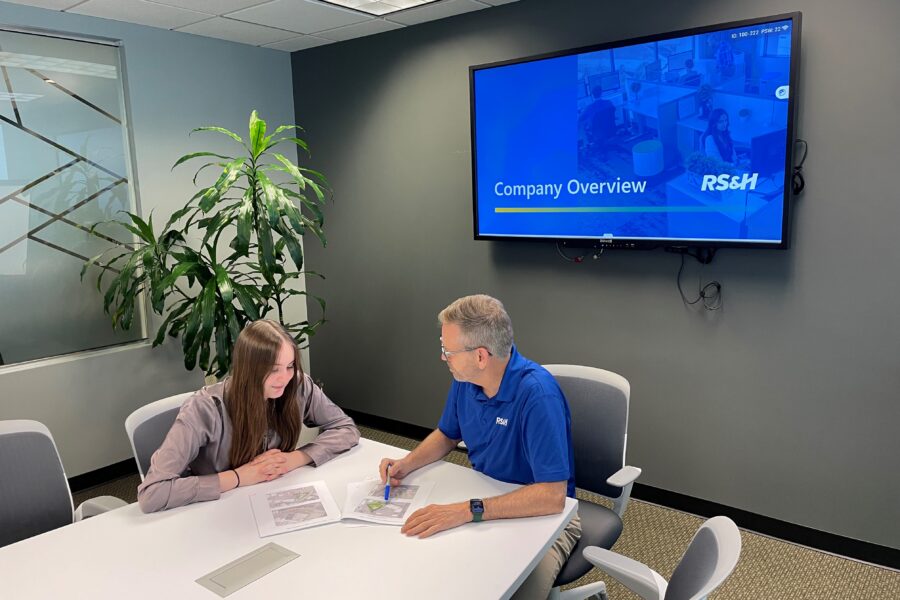
Kate graduated from Drew Charter School in May and will begin her first semester at Georgia Tech this fall, studying civil engineering. She will continue her internship at RS&H even as she transitions from high school senior to college freshman.
RS&H was recently recognized with an Award of Merit from Engineering News Record (ENR) Southwest’s annual Best Projects competition.
With over 34 years of experience, Ray Strandberg, PE, has been promoted to the position of Colorado State Leader in our Construction Management business unit.
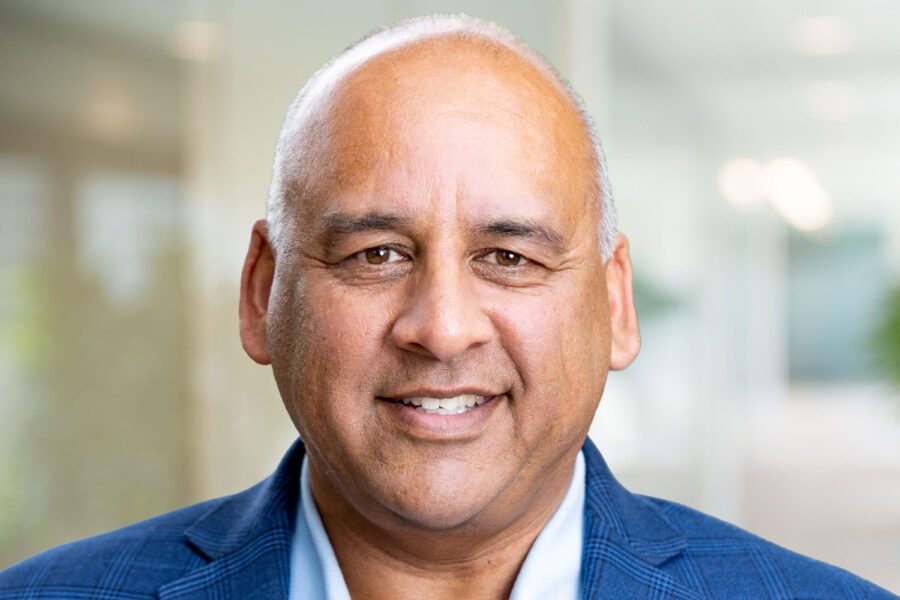
RS&H recently welcomed Anees Rahman, PE, to the national engineering, architecture, and consulting firm as a senior principal electrical engineer.
RS&H welcomed Xiaojun “Jim” Gu, PhD, PE, PTOE, IMSA III, to the national engineering, architecture, and consulting firm as the National ITS & Traffic Design Leader.
Steven Starnes, PE, has joined RS&H as a senior principal bridge engineer. Starnes will support RS&H’s bridge service group on a variety of highway bridge engineering projects and provide expertise in major organizational pursuits.
Senior Vice President Steven Byars will lead RS&H’s operations for the Central/West region. Kathryn Hulst has accepted the role of National Business Development & Marketing Leader.
This website uses cookies so that we can provide you with the best user experience possible. Cookie information is stored in your browser and performs functions such as recognising you when you return to our website and helping our team to understand which sections of the website you find most interesting and useful.
Strictly Necessary Cookie should be enabled at all times so that we can save your preferences for cookie settings.
This website uses Google Analytics to collect anonymous information such as the number of visitors to the site, and the most popular pages.
Keeping this cookie enabled helps us to improve our website.