Top 4 Goals and Characteristics of Capturing Big Data to Plan for the Future

Toll transactions aren’t as simple as they used to be, nor would we expect them to be. The way toll technology has advanced over the last decades, the information that can be collected from vehicles on a toll road is expansive. When information is collected, such as transponder reads, images, and classifications, then it’s compiled and analyzed in the back office, creating even more data. But, where do we store all of this?
Let’s take a step back.
What is your road or bridge generating? Big data! Big data is data that is too large to assess using current data processing techniques. Therefore, advanced analytics methods are required to satisfactorily analyze data of that scale. There are two goals in handling big data:
- Keeping all of the data
- Maintaining the integrity of the data

When transactions are streaming from the roadside into your back office, the system needs to be able to process those transactions while seamlessly functioning for operators.
And, operators create a lot of load on the system, which requires reliable processing speeds.
Consider the largest load generators on a back office: reports. Some major reports are so demanding that they are scheduled over night to ensure they aren’t bogging down the system while operators are relying on it during the day.
The two characteristics of every back office system that need to be carefully considered in initial planning and for future growth are: 
- Storage
- Processing speed
To tackle these characteristics, it’s recommended that agencies look out seven to ten years. Seven years is typical end-of-life for back offices. Analyzing what is needed over this time and what changes will be needed for the next procurement are essential to planning for storage scalability and the needed power behind processing data.
It’s easier said than done, but there are progressive means to tactically implement a future proof system. Consider leveraging parallel industry practices surrounding big data – your toll road is an impressive producer of it.
Related Insights
RS&H and FDOT earned top recognition in the 2026 DBIA Florida Region Project Awards for two transportation projects, highlighting excellence in infrastructure delivery, innovation, and collaboration.
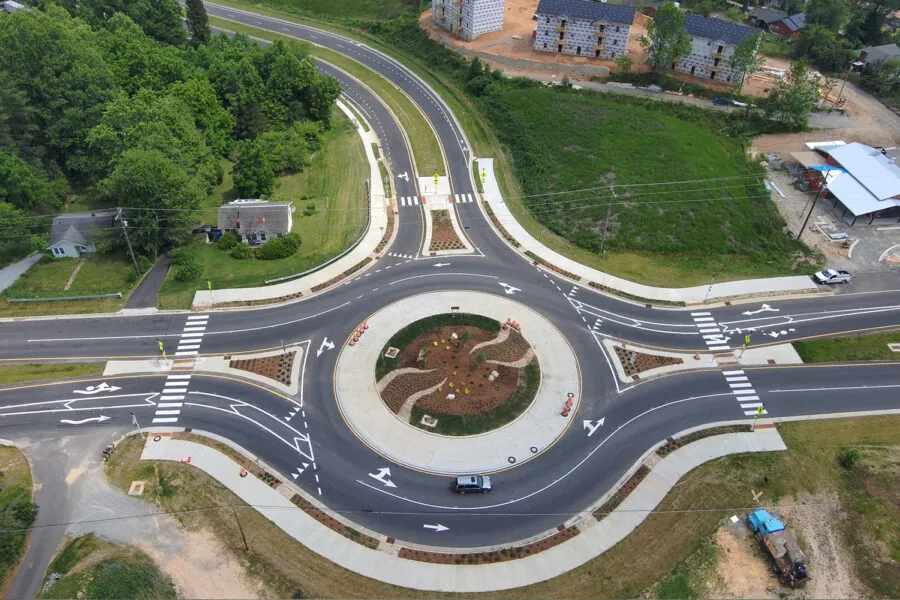
As more roundabouts are implemented across the United States, more data is being accumulated while standards and guidelines continue to be revised and developed to assist in successfully designing and installing these facilities.
Construction Manager/General Contractor and Progressive Design-Build are qualifications-based selections, involve a single-step approach, and typically require less time and resources from the owner and bidders during the procurement process.

RS&H, working in collaboration with the Florida Department of Transportation (FDOT) and dedicated groups of teaming partners, has earned two 2026 ACEC Florida Outstanding Project Awards.