This project was about more than fixing drainage. It was about reimagining how the airport operates today while setting it up for what comes next. By improving circulation, modernizing parking technology, and planning for future upgrades, we helped the airport enhance the traveler experience and strengthen its long‑term revenue potential without disrupting daily operations.

Drainage Solutions Amplify Airport Operations
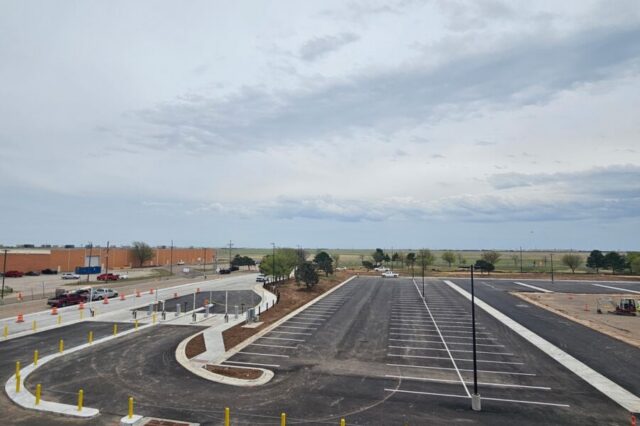
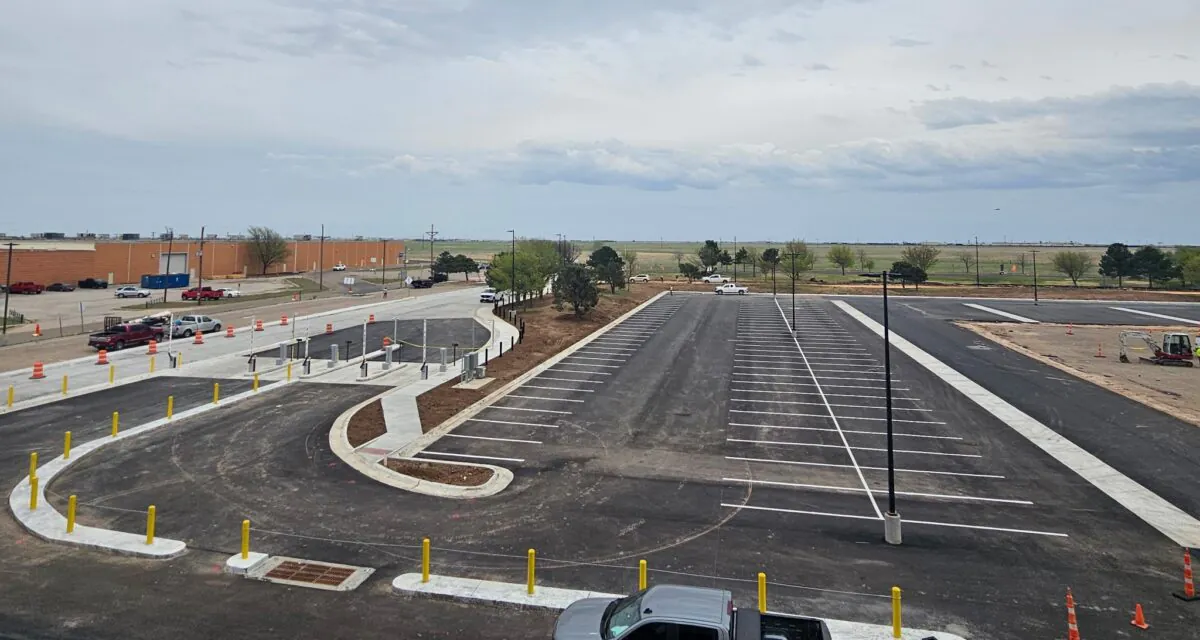
Rick Husband Amarillo International Airport Parking Improvements
Airport parking plays a critical role in traffic flow, revenue, and passenger experience. When drainage issues arise, they can quickly turn into operational challenges that affect the entire airport. At Rick Husband Amarillo International Airport, RS&H delivered a comprehensive solution to address drainage, access, and parking operations together.
Imagine when it rains, the parking lot is flooded, puddles stretch from parked cars to pedestrian paths, and travelers weave around standing water while pulling luggage behind them to get to and from the terminal. Everyone loves wet shoes while they are on an airplane, right?
Standing water isn’t just inconvenient; it can also accelerate pavement deterioration, create safety concerns, slow traffic flow, and leave a negative impression on passengers. So how do you solve ongoing drainage issues and failing pavement in high‑traffic parking areas, through inbound and outbound roads, as well as preferred lots and long-term parking facilities, all with limited disruptions to operations? This was the challenge Rick Husband Amarillo International Airport (Amarillo) was facing. Amarillo prioritizes safe, efficient operations and positive passenger experience, so finding the right solution was critical.
As a trusted partner, RS&H worked with the airport to address drainage and maintenance issues caused by extremely flat topography, aging pavement, and limited space for disruption. Together, we delivered solutions to surface drainage deficiencies, improve the parking facility access, and strengthen airport operations. RS&H approached the project with the understanding that parking, drainage, and operations are inseparable at active airports, showing that drainage and parking improvements can be delivered with limited operational impacts by maintaining access and not impairing parking revenue.
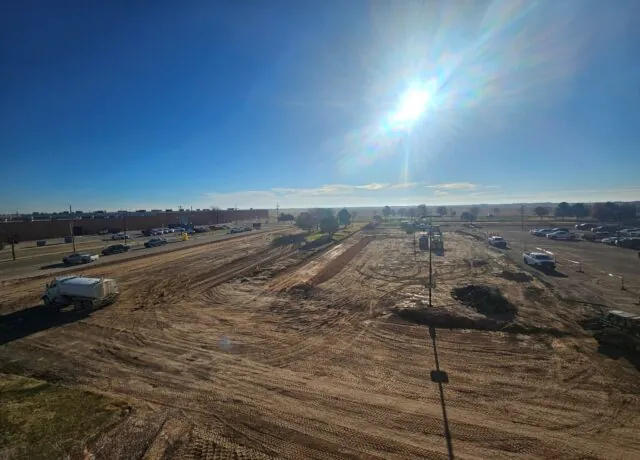
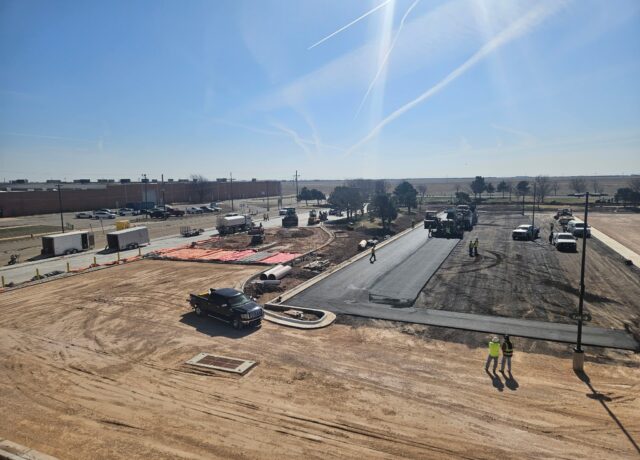
Since parking can serve as a critical first and last impression for travelers and a key non- aeronautical revenue source for the airport, Amarillo’s leadership recognized the importance of addressing these challenges to support both customer experience and daily operations.
Guarding Operations While Solving the Problem
RS&H partnered with the airport on the Airport Parking Improvements project with the following objectives:
- Resolve chronic standing water in high‑traffic parking areas with limited room to close facilities.
- Address grading, circulation, and access together rather than as isolated fixes.
- Improve drainage and parking performance with limited operational disruptions.
Keeping the airport access open was non-negotiable, so our project team took a comprehensive approach to support the drainage, operations, and long‑term planning. The team began with improvements to the terminal loop road and parking areas to introduce roadway crowns and positive drainage. Meticulous phasing and timing considerations were coordinated with Amarillo, their parking operator, and rental car vendors to identify a sequencing plan that met the project objectives.
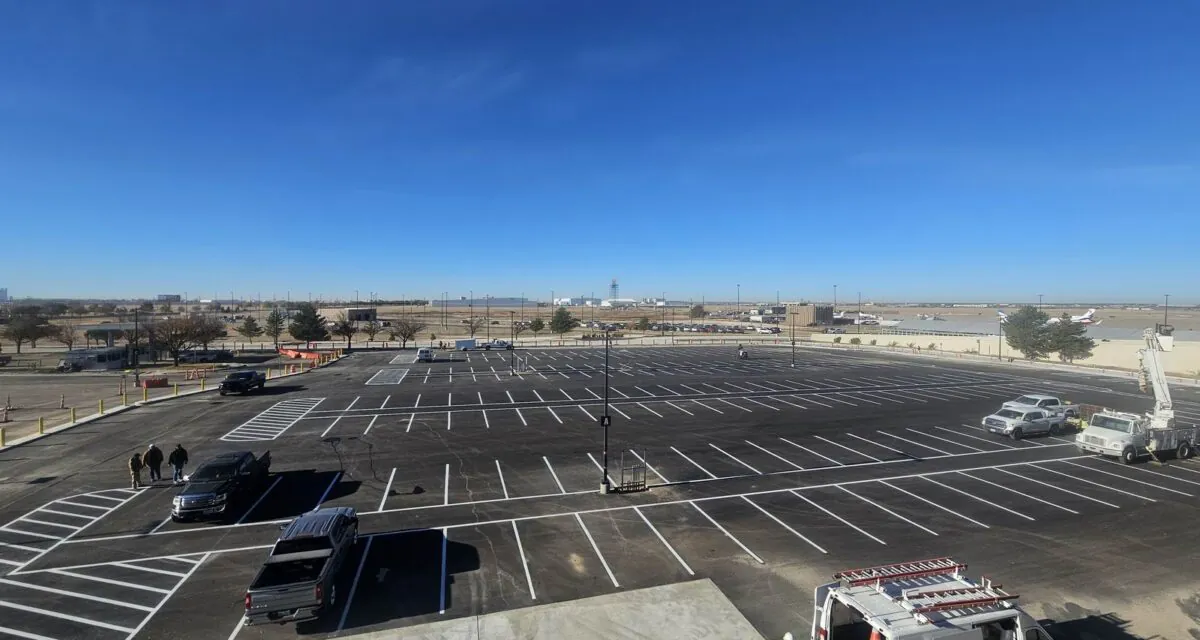
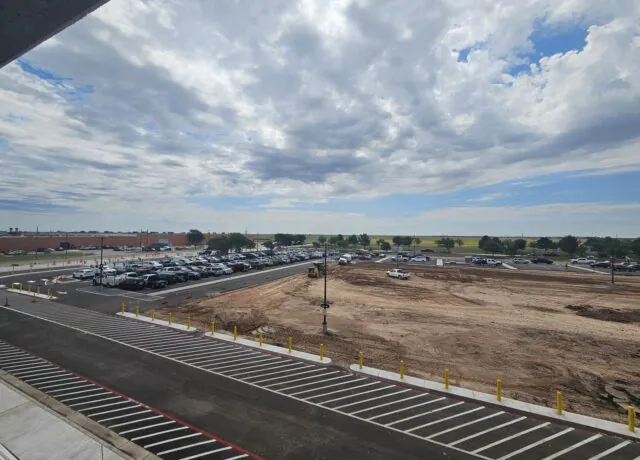
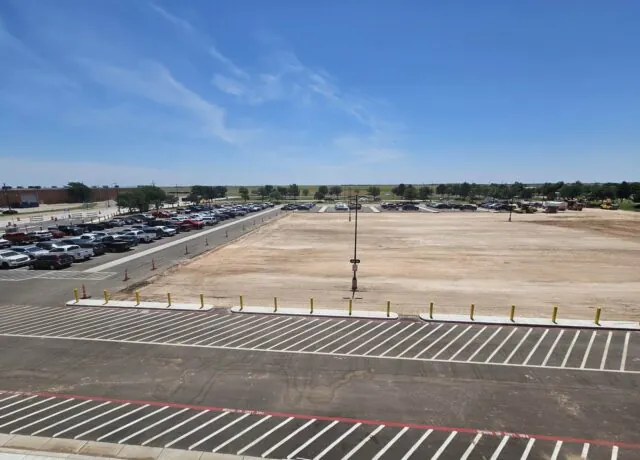
During the preliminary construction phasing layout review, RS&H worked closely with the parking vendor to capture historical parking utilization data. This information shaped the size of the construction phase, reconstructing more parking surface during historically low parking volume periods, and less when parking volume was historically higher.
Improving Parking Flow and Revenue at the Same Time
A major component of the project was parking technology modernization. The airport transitioned from fully staffed exits to an automated, touch‑to‑pay system with barcode tickets and mobile payment options. This reduced exit congestion during peak travel times, lowered staffing costs for the parking vendor, and improved customer experience. For airports that rely heavily on parking revenue to support day‑to‑day operations, these types of efficiency improvements can make a meaningful and monetary difference.
Our team streamlined how drivers choose parking by relocating the preferred lot entrance to be more visible and improving wayfinding. By removing barriers between long‑term and preferred parking, along with realigning lot boundaries near the garage, the airport increased preferred parking usage and revenue without expanding the parking lot.

Maintaining Landside Operations During Construction
The airport needed to inform passengers while construction was underway, and one of the airport’s concerns was maintaining safe access during construction. RS&H addressed this by developing a detailed phasing plan and simplified public‑facing graphics that clearly showed which routes and facilities were open during each phase. These materials supported proactive public communication via the airport’s website and local media, helping travelers navigate construction with minimal disruption. This communication and outreach approach ensured travelers knew what to expect before they arrived and helped preserve traveler confidence and efficient traffic flow throughout the multi‑phase program.
Coordination with rental car vendors was another key collaboration effort. While off‑site airport vendors were responsible for monitoring their airport communications, the airport collaborated closely with on‑airport rental car partners, especially during peak holiday periods. Temporary agreements allowed the airport to use portions of rental car lots as overflow parking, preserving capacity during construction.
Beyond immediate improvements, RS&H helped increase the airport’s security footprint. Additional project benefits included:
- Installation of 13 new security cameras to improve visibility and prevent damage claims.
- Future‑proofing infrastructure for EV charging by installing conduit and ground boxes during construction for future use.
- Planning for future shade canopies in preferred parking by preinstalling electrical infrastructure and preserving layout flexibility, minimizing future disruption and cost.
By installing infrastructure while the site was already under construction, the airport avoided future rework, pavement removal, and operational disruption.
“RS&H understood that our parking facilities had to remain operational every day while we addressed long‑standing drainage and maintenance issues. Their team delivered improvements that strengthened operations, improved customer experience, and positioned our parking facilities for long‑term performance.” – Tyler Hurst, Deputy Director of Aviation, Rick Husband Amarillo International Airport
As a project team, we found that drainage solutions are most effective when aligned with circulation and access decisions. Parking improvements succeed when wayfinding simplifies driver choices, and building future‑ready infrastructure during active construction avoids repeat disruption.
Completed in January 2026, the project delivered a modernized parking solution that improves drainage, streamlines operations, enhances security, and strengthens the airport’s non-aeronautical revenue. The Rick Husband Amarillo International Airport improvements represent more than infrastructure upgrades and reflect a forward‑thinking investment in passenger experience, operational resilience, and long‑term value. For regional airports facing similar drainage and parking challenges, Amarillo’s approach demonstrates how drainage solutions, operational continuity, and long‑term planning can be successfully integrated at a full-service commercial airport.
Related Insights
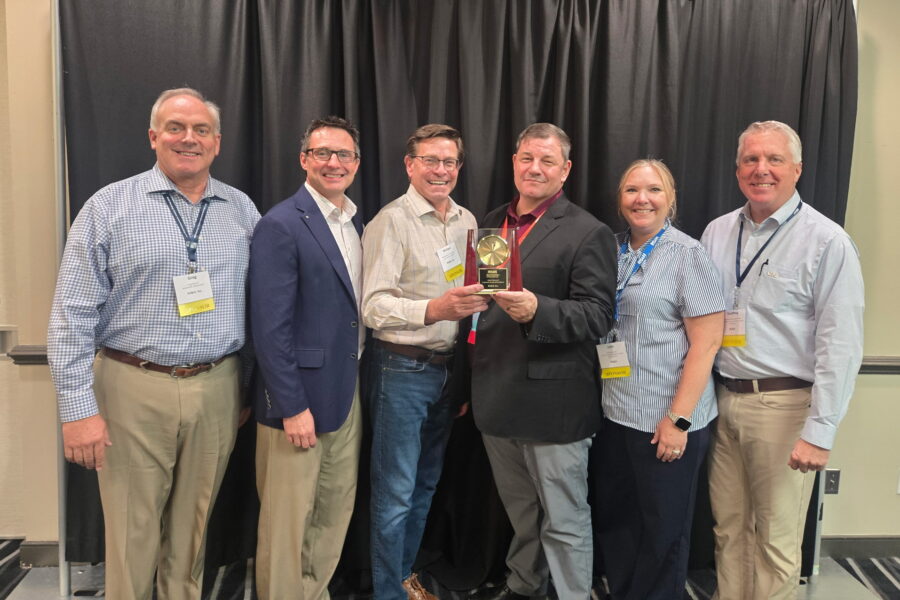
RS&H has received the Corporate Award of Excellence at the Northwest Chapter of the American Association of Airport Executives (NWAAAE) 2026 Annual Conference in Missoula, Montana.
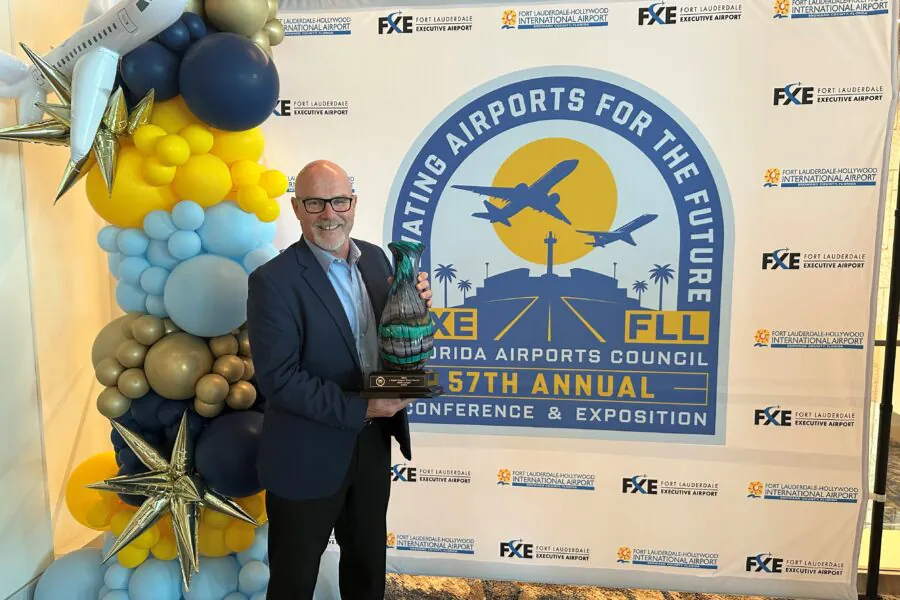
John Lengel Jr., PE, ENV SP, Vice President and National Discipline Leader at RS&H, received the 2026 Florida Airports Council J. Bryan Cooper Vision Award. The award recognizes his leadership and lasting contributions to aviation environmental stewardship, sustainability, and resilience.
Mike Rudzinski, AIA, NCARB, explores the trends shaping the next generation of airports, from smarter wayfinding and wellness-focused spaces to advanced air mobility, and how innovative terminal design is creating better passenger experiences.
Growing in Lafayette, RS&H combines local connection with national expertise—supporting the community through partnerships, student engagement, and transformative work at Lafayette Regional Airport.