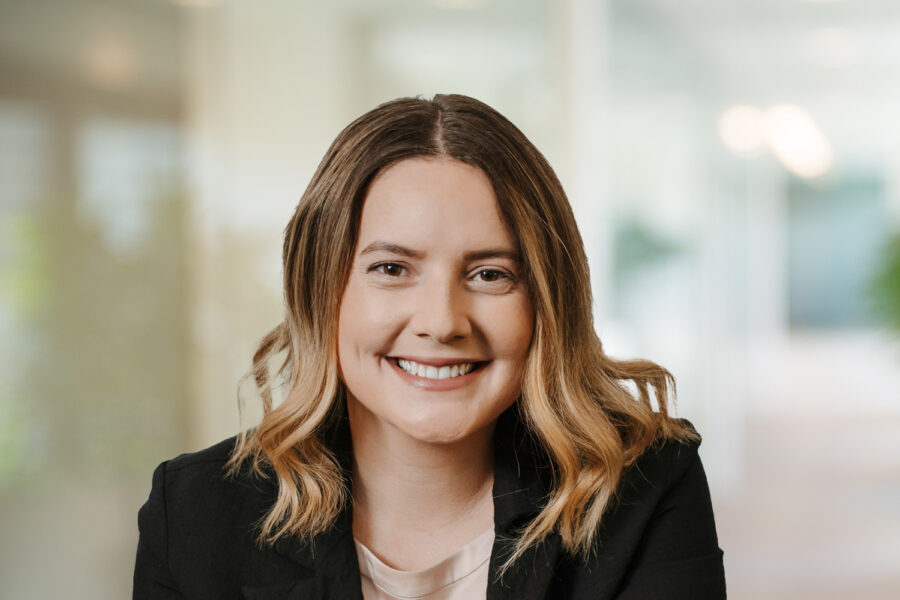
Partners in Leadership: Scott Grainger Takes on New Role as SAME National Vice President

After dedicating more than 30 years to the United States Air Force, Scott Grainger, PE, PMP, F.SAME understands the true weight of federal missions. He knows firsthand that national security and operational readiness do not pause simply because an organization is stretched thin. Throughout his career, he has seen the complexities of federal infrastructure from the perspective of the government client, managing the intense pressure to move quickly, reduce friction, and make sound decisions early in the planning process.
As he prepares to step into the role of Vice President on the National Executive Committee for the Society of American Military Engineers (SAME), alongside his leadership role at RS&H, Grainger is uniquely positioned to bridge the gap between government needs and industry capabilities.
Grainger shared his insights on his next leadership chapter, discussing his practical strategies for supporting federal clients, how he can help drive the future of SAME, and the core values of service, relationships, and growth that drive his work at RS&H.
Navigating the Complexities of Federal Infrastructure
Q: Given your own military background and in your current leadership roles at SAME and RS&H, how do you approach supporting federal clients in today’s dynamic and evolving environment?
A: I approach this from the perspective of someone who spent most of my career as the government client. Today’s environment is different than it was even just a few years ago. Our missions are more complex than ever, and much of our infrastructure is stretched to capacity. While funding for infrastructure is becoming more available, many agencies simply do not have the workforce capacity to plan, execute, and manage the volume of projects that need to be delivered. That reality creates pressure to move faster, reduce friction, and make sound decisions early that support execution.
After my three decades in the Air Force, I understand the mission doesn’t stop, no matter the circumstances. RS&H’s associates focus on being a force multiplier for our federal clients. We bring experience, clarity, and practical solutions that help teams move projects forward efficiently while managing risk.
Through SAME, I have seen how collaboration can help close this capacity gap. SAME brings together professionals from across the AEC community, including planners, engineers, constructors, operators, and program managers, all focused on solving national security infrastructure challenges. That diversity of experience and perspective, applied to a shared mission, is a powerful force. When government and industry collaborate in a trusting environment, we can help deliver critical infrastructure at the speed today’s operational environment demands.
Fostering Collaboration Through a Strategic Vision
Q: Looking ahead, how do you envision SAME evolving over the next 3–5 years to foster even stronger collaboration between industry and government? Where do you see the most significant opportunities for members to contribute and make an impact?
A: The SAME Strategic Plan 2030 provides a clear and timely framework for where the Society is headed. Its three goals directly align with the challenges facing our government partners today: Deliver Solutions, Drive Partnerships, and Develop People.
From a Drive Partnerships perspective, SAME’s role as a trusted integrator across the AEC community is more important than ever. By bringing together government, industry, and academia, SAME creates environments where collaboration happens early and with a shared understanding of mission needs. That type of engagement reduces friction, improves decision-making, and helps projects move forward more efficiently when speed and relevance matter most.
The focus on Delivering Solutions is especially important in today’s operational environment. Agencies are being asked to deliver critical infrastructure faster, often with fewer internal resources to do so. SAME’s multi-disciplinary approach brings the right expertise together to address real problems and move solutions forward at a pace that supports mission needs.
Developing People underpins everything else. The ability to deliver at the speed the mission demands requires leaders who understand both the operational context behind the need and how to execute and deliver. Through programs like SAME’s Leader Development Program, members gain experience working across disciplines and perspectives in a practical, mission-focused environment. SAME Camps play an equally important role by strengthening the future workforce and exposing students to engineering, construction, and national security challenges early in their development.
The greatest opportunities for impact will come from members who simply get involved. We need people at all levels to help advance these goals. That includes leading posts, participating in communities of interest, mentoring young professionals, supporting SAME Camps, and working alongside government partners to solve real problems. When members do that, SAME becomes not just a forum for conversation, but a force that helps the government deliver critical infrastructure and capability at the pace today’s environment requires.
The Foundation of Successful Industry-Government Partnerships
Q: Reflecting on successful partnerships—both within SAME and on RS&H projects—what qualities or strategies have you found most effective in delivering exceptional outcomes within the federal sector?
A: When I look at the partnerships that have worked best, both within SAME and on RS&H projects, they tend to share a few common traits.
First, they are built on relationships that existed before there was a problem to solve. Trust matters, especially in the federal environment. When teams know each other, communicate openly, and respect what each partner brings to the table, it becomes much easier to move quickly and solve complex challenges. SAME does a good job of creating those connections across disciplines and organizations, and that pays off when it matters most.
Second, the successful partnerships are grounded in service to the mission. The most effective teams focus on what the government is trying to accomplish, not on organizational lines or who owns what scope. Whether in uniform or in industry, I have always believed that leadership starts with service. When industry partners take the time to understand the mission and support the people executing it, outcomes improve.
Finally, the best results come from teams that are committed to learning and getting better over time. Growth matters, both for individuals and organizations. Through mentoring, leader development, and workforce programs like those within SAME, teams build the skills and experience needed to handle the next challenge more effectively than the last.
When relationships are strong, the focus stays on service, and growth is intentional, partnerships become more resilient. That is when industry can truly support government clients and help deliver the mission effectively.
A Personal Commitment to Service and Growth
Q: What personally motivates your continued service to SAME, and how does that connect to the way you support federal missions in your professional role at RS&H?
A: My involvement with SAME and my role at RS&H are simply two different ways of contributing to the same mission. After retiring from the Air Force, I still wanted to serve the people and missions that support our national security. SAME allows me to do that by bringing government, industry, and academia together around shared challenges, building relationships, and helping teams collaborate more effectively when complexity and speed matter.
At the same time, my work at RS&H is another way to support that mission through direct delivery. Whether it is helping clients plan, design, or execute critical infrastructure, the focus is on supporting the people responsible for readiness and operations. The work is different, but the purpose is the same.
I’m fortunate to be in a role where both of those paths reinforce one another. SAME strengthens relationships, develops leaders, and improves how government and industry work together. RS&H applies that collaboration and experience directly to the delivery of solutions. Together, they allow me to continue serving in a way that is practical, relevant, and focused on outcomes.
At the end of the day, it is about building strong relationships, staying grounded in service to the mission, and helping people grow so that we are better prepared for what comes next. When those things are aligned, both SAME and RS&H can make a meaningful difference for our government partners.
Related Insights
Explore how mission assurance, strategic investment and workforce capacity can help military installations reduce risk and strengthen readiness.
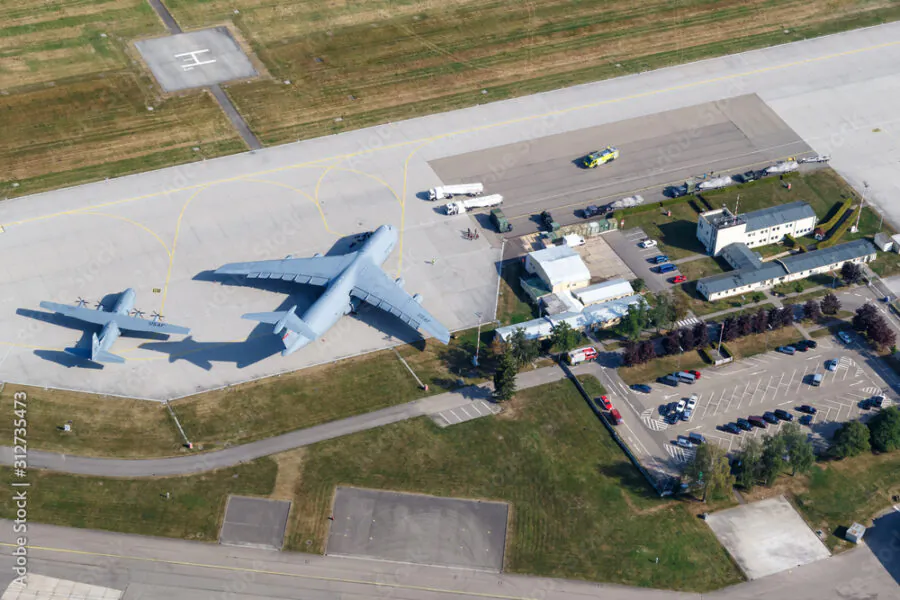
Explore how collaborative delivery and digital integration can accelerate military infrastructure delivery and strengthen mission readiness.

Rich Stump, AIA, LEED AP BD+C, talks through the latest developments and challenges shaping today's federal infrastructure projects.
Tara Pence has quickly progressed from a go-to project planner to a trusted project manager, leading complex planning efforts at Minot Air Force Base and Peterson Space Force Base with excellence.