3 Key Ways to Restore & Recharge Your Water Supply
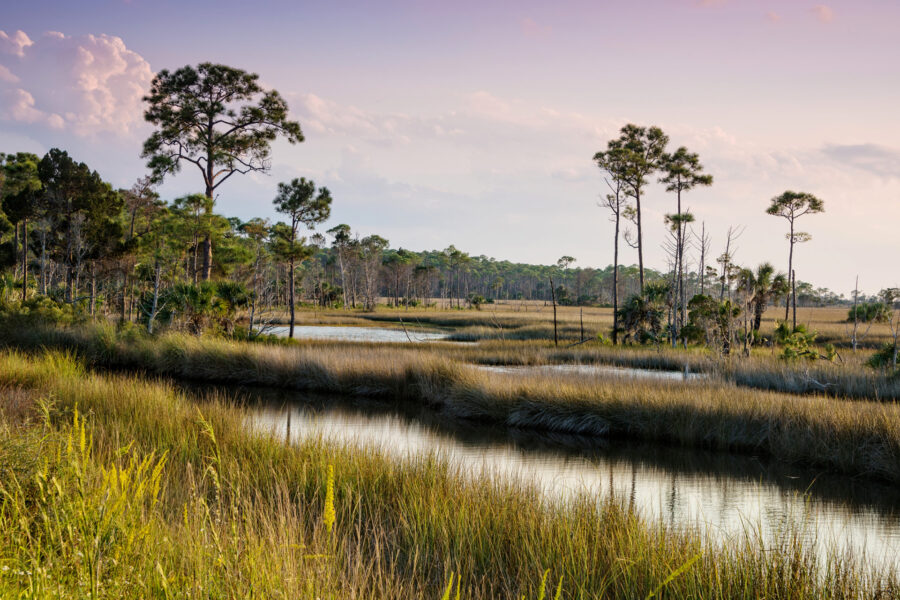
Most water resources managers agree that clean drinking water doesn’t start at your tap, it starts at the source.
In states with an abundance of wetlands, wetland habitats can store and slow the flow of floodwaters, sustaining rivers and streams, while also serving as a source of water.
To that end, it’s important to find ways to restore and replenish watersheds so they will remain viable sources of potable water.
1. Wetlands as Natural Filters
Healthy, functioning wetland habitats are critical to protecting water quality. They act as natural filters, chemically capturing harmful contaminants before they end up in our drinking water.
Throughout Florida, for instance, most people depend on groundwater and/or surface water that is filtered through wetlands. However, increases in population and development away from urban centers have disrupted the natural functions of these habitats.
Restoring wetlands to their historical flow and storage levels will help restore these natural functions, allowing naturally filtered surface water to recharge a region’s aquifer.
2. Storm Water Improvements
One of the primary ways of restoring wetlands is through storm water management improvements. These projects seek to rectify alterations to natural drainage patterns that often leave wetlands dysfunctional because surface water often becomes entrained in roadside ditches, bypassing wetlands and their natural filtering power.
In Florida, for instance, the Cypress Creek Wellfield underwent a multi-objective wetland restoration and surface water management initiative. A series of culverts and berms were constructed to divert water that once flooded neighborhood streets into specific target wetlands. The movement of water replenished the wetlands by increasing their water level.
3. Light Detection and Ranging Techniques
One of the methods used to restore historic drainage patterns is Light Detection and Ranging (LiDAR), a remote sensing system that allows water resource managers to see the slightest changes in elevation. The smallest change can mean the difference between drainage and rehydration.
In some instances, ditch blocks and pipes are installed to restore historic flow patterns and improve hydrologic connectivity between wetlands.
The results are improved regional water quality and habitat for wetland-dependent species.
Related Insights
The National Environmental Policy Act (NEPA) Assignment program offers a transformative opportunity for state Departments of Transportation (DOTs) to assume federal environmental review responsibilities, streamlining project delivery and enhancing environmental autonomy.
It starts with understanding the difference between sympathy and empathy and recognizing how these concepts can foster meaningful connections.

In our latest white paper, we explore how these technologies are reshaping the future of transportation tolling.

Featuring a case study from the Golden Gate Bridge, Highway & Transportation District, this engaging session will explore cutting-edge tools such as advanced vehicle detection technologies, AI-driven analytics, cloud-based solutions, and intuitive reporting dashboards.