Soaring by Design: A Conversation with Amy Coons
Aviation History Month is a time to reflect on the monumental achievements that have defined the skies. From the Wright brothers’ first flight to the marvels of modern air travel, this industry is built on a foundation of passion, precision, and relentless innovation. At RS&H, this passion isn’t just a part of our history; it’s woven into the fabric of our team. Our associates view their work not merely as a job, but as a commitment to advancing the industry they love.
To celebrate, we’re spotlighting the stories of our own aviation enthusiasts. We’re speaking with Amy Coons, a Senior Creative Services Specialist whose connection to aviation runs deep. Her journey shows the profound and often personal link our team members have to the work we do. Join us as we explore Amy’s story, her passion for flight, and her vision for the future of aviation.
What first sparked your interest in aviation, and how did it evolve into a passion or career?
My interest in aviation started at home. I have an older brother who is a pilot for Delta, so there was always that connection. He was the pilot in the family, which was very cool.
But the real spark probably came from my parents taking me to air shows, especially the Dayton, Ohio air show. It’s a huge event that attracts incredible groups like the Blue Angels and the Thunderbirds. Watching their precision, speed, and the sheer noise of it all was just awe-inspiring. So, it began with that family connection, but the air shows are what really made it explode into a passion.
How do you incorporate your passion for aviation into your day-to-day life or career?
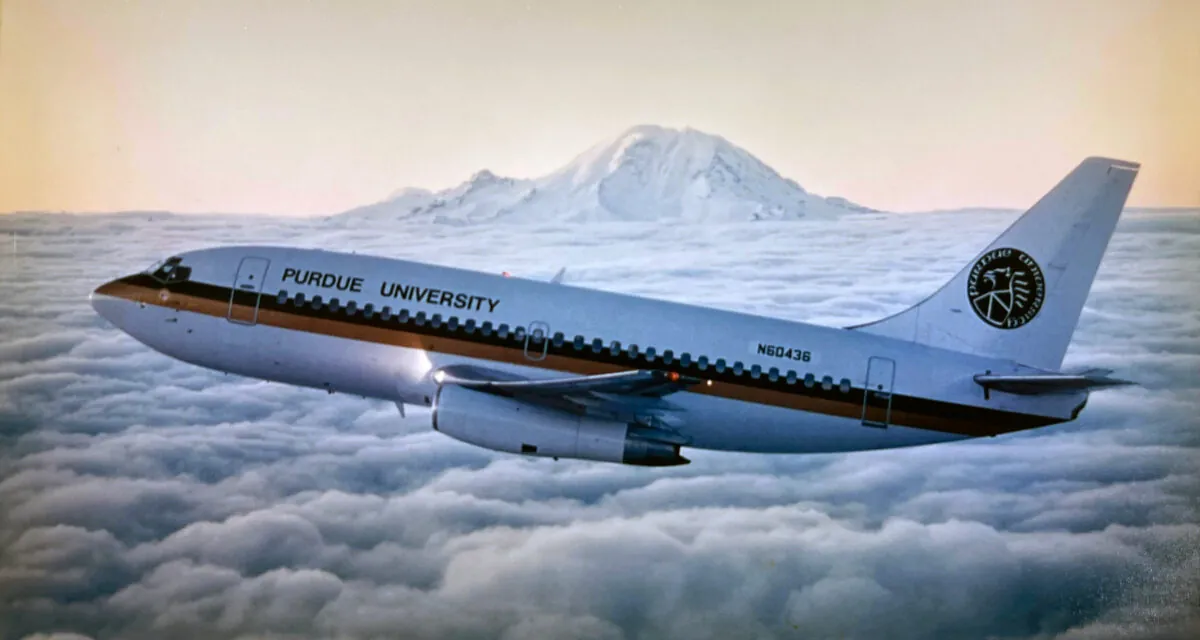
My background in aviation is something I use regularly. I learned to fly in a tail-dragger on a grass strip before I even learned to drive a car. I went on to get my private pilot’s license, commercial license, multi-engine rating, and instrument rating. I was even a flight instructor for three years at Purdue.
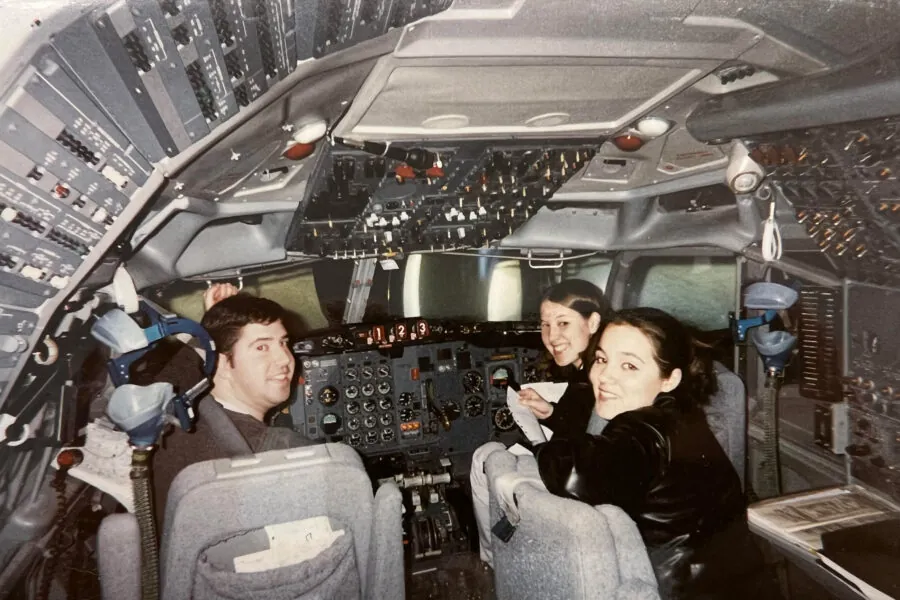
That entire journey, from flying skydivers in a Cessna 182 to logging time in a Boeing 727 simulator, gave me a deep understanding of the industry. So, when I came to RS&H, that background was a huge advantage—I knew the lingo. Whether I overhear engineers talking about an ILS approach or I’m discussing runway graphics with a project manager, I understand the context.
I remember having a conversation with Michael Spitzer, AIA, and he was explaining the runway numbers. I immediately got it and could confirm the details. He mentioned how he had to explain to a previous designer that runway numbers align with the magnetic compass direction. My knowledge allows me to connect with our aviation clients and colleagues on a deeper level. It’s a shared language, and that absolutely translates into better, more insightful work. It also led me to get my drone license, which felt like a natural extension of my pilot training.
If you could travel back in time to witness any moment in aviation history, what would it be and why?
I would definitely go back to the 1920s and 30s, when female pilots were just starting to emerge. Of course, Amelia Earhart comes to mind. She was the first woman to fly solo across the Atlantic, and when you think about the navigational tools she had compared to what we have today, it’s just astounding. They were the real deal.
Her story is also personal to me. She taught at Purdue University, which is where I earned my degree. Purdue actually funded her Lockheed Electra for her final flight. There’s even a dorm named after her, the Earhart dorm, and I lived there for my first two years of school. It’s a powerful connection to a true pioneer.
 What’s the most memorable experience you’ve had in your career/aviation journey so far?
 What’s the most memorable experience you’ve had in your career/aviation journey so far?
I have two that stand out for very different reasons. The first was during my time at Purdue. I had the opportunity to fly a King Air into Washington Dulles International Airport at night. Seeing that massive airport lit up from the cockpit was just super cool and a definite highlight.
The second is a bit less glamorous. I was flying a Navajo aircraft for a farm auctioneer. On one trip, we picked up a group of people, and I dubbed it the “party plane” because they came aboard with coolers and were having a great time. We could hear them laughing and celebrating even with our headsets on. Just as we were landing in Colorado Springs, someone couldn’t quite hold it together. I’m a sympathetic gagger, so hearing it, I had to tell myself, “Hold it together, hold it together.” It was memorable, but for a completely different reason.
What excites you most about the future of aviation?
What excites me is seeing how technology continues to push boundaries. From the early days of flight, aviation has always been about innovation. Thinking about the advancements in sustainable aviation, autonomous flight, and the new materials being developed, it’s clear we are on the cusp of another transformative era.
Being part of a company that is at the forefront of designing and engineering the infrastructure that supports this evolution is incredibly motivating. We’re not just building airports; we’re helping to shape the future of how people connect and travel. The potential for what’s next is limitless, and it’s exciting to play a role in that journey.
A Shared Passion for What’s Possible
Amy’s story is a powerful reminder that our work at RS&H is more than just projects and plans; it’s about a shared passion for shaping the world around us. Her journey from the cockpit to her role as a creative designer demonstrates the unique perspectives and deep industry knowledge that our associates bring to their work every day.
As we celebrate Aviation History Month, we honor the pioneers who dared to dream of flight and the dedicated professionals who continue to push the boundaries of what’s possible. It is this spirit of aspiration and commitment that drives us to deliver an exceptional journey for our clients and create tomorrow, together.
Related Insights
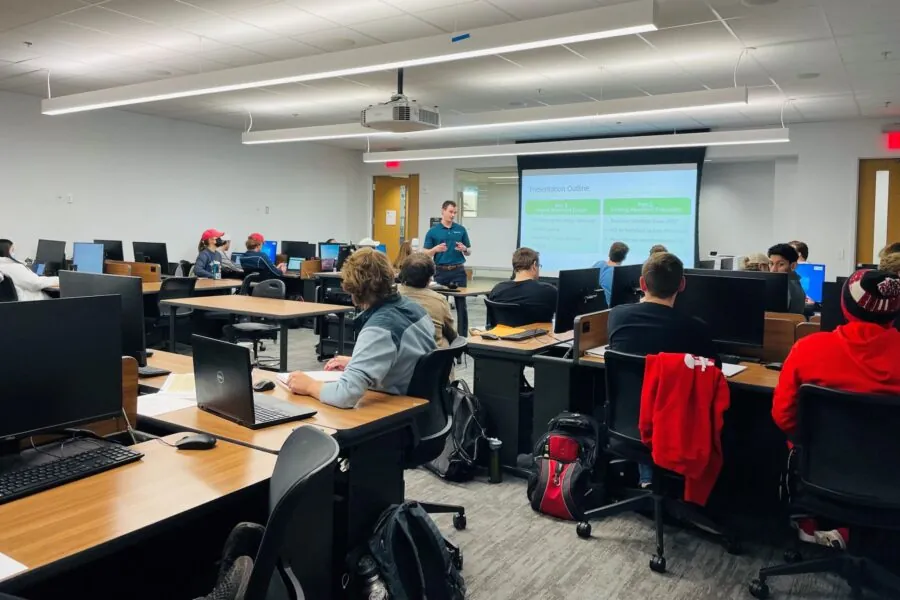
Jason's career is a testament to how a spark of interest can ignite into a lifelong dedication to advancing the field. We sat down with him to discuss his journey, the lessons he’s learned, and his vision for the future of aviation.
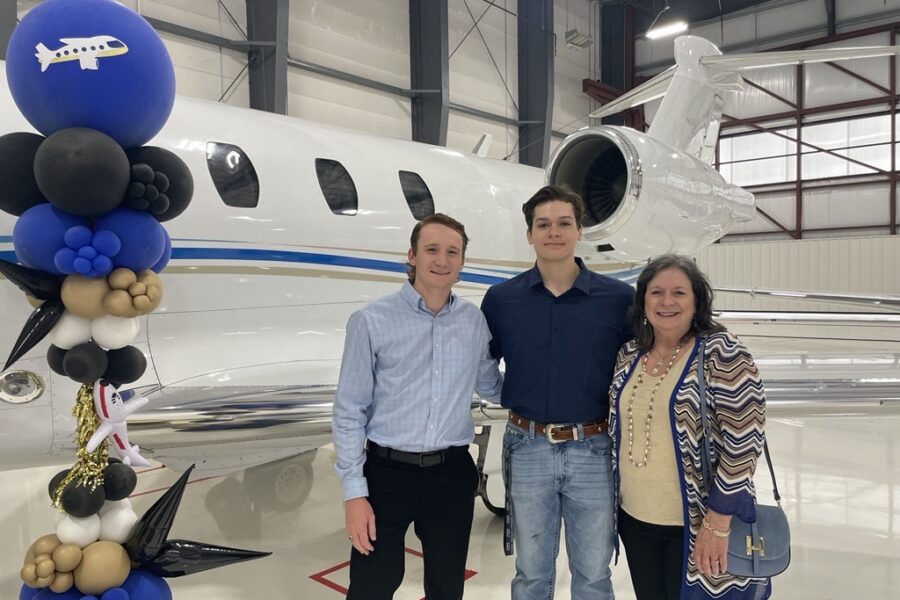
From soloing a glider at 14 years old to watching both her sons follow in her contrails as corporate pilots, Amanda's story illustrates what happens when personal passion and professional purpose align.
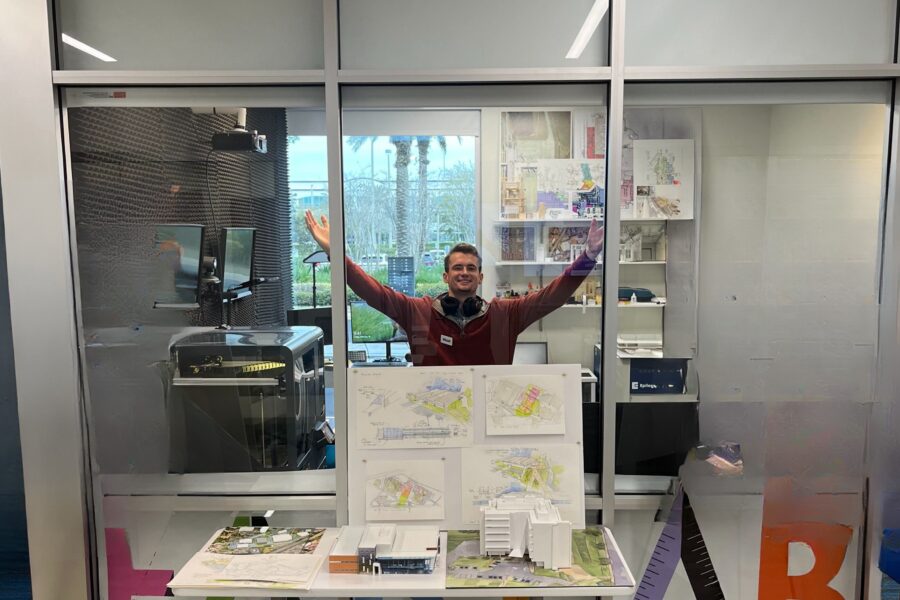
In celebration of Aviation History Month, we sat down with Ian to explore how his personal connection to aviation fuels his work at RS&H, where he transforms digital designs into physical models that bring architectural visions to life.
With a career spanning military service at the U.S. Air Force Academy, active duty, and now civilian work in aviation-related planning and design, James embodies what it means to turn a lifelong passion into meaningful work.