A Family Legacy in Aviation with Amanda O’Krongley, CM
 Some people stumble into their careers. Amanda O’Krongley, CM was destined for hers.
As Vice President and Aviation Planning Leader at RS&H, Amanda has spent decades shaping the future of aviation infrastructure. But her connection to flight runs far deeper than professional expertise—it’s woven into the fabric of her family, her identity, and every project she touches.
From soloing a glider at 14 years old to watching both her sons follow in her contrails as corporate pilots, Amanda’s story illustrates what happens when personal passion and professional purpose align. We sat down with her to discuss how a chance conversation in eighth grade set her on a path that would span generations.
What first sparked your interest in aviation, and how did it evolve into a passion and career?
It all started when I was 14, back in eighth grade. My mom had a small accounting business in Southern California, and one of her clients was a pilot for American Airlines. This was during the glamorous days of aviation—when people dressed up just to go to the airport.
My mom’s client flew the LA-Honolulu route weekly, and during one of his visits, he asked me what I wanted to do when I grew up. I mentioned maybe becoming a pediatrician or veterinarian, but then I said, “I love to fly, but I don’t want to be a stewardess.” His response changed everything: “What are you talking about? Girls can fly.”
He told me to go to the airport for an introductory flight lesson and, if I enjoyed it, to consider Embry-Riddle Aeronautical University for college. I took that intro flight and absolutely loved it. Since I was too young to solo in powered aircraft, they suggested I try gliders. At 14 years old, I was soaring in gliders, flying solo before I could even drive a car.
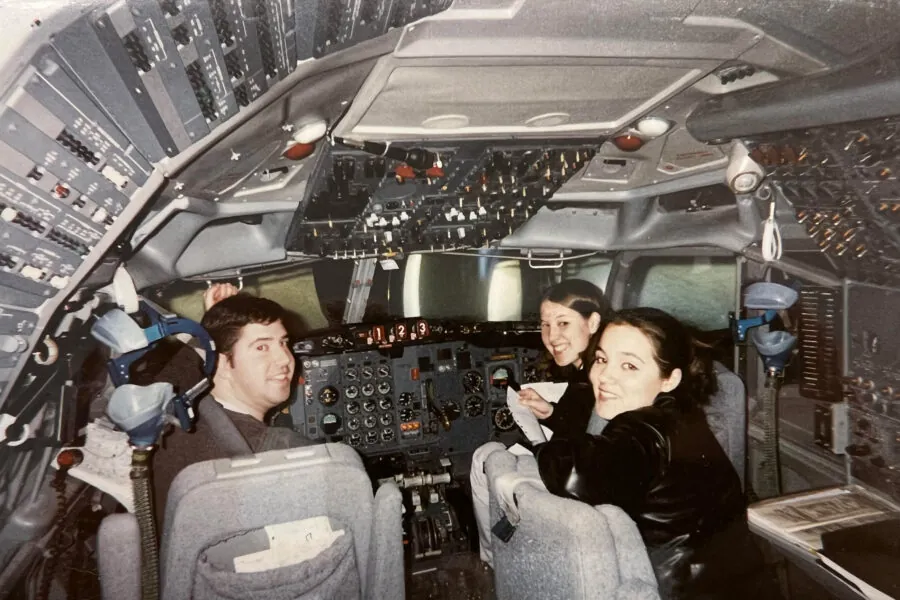
I earned my private pilot license in high school, then headed straight to Embry-Riddle’s main campus in Daytona Beach. That’s where I met my husband Tim during my sophomore year. We’ve been married for almost 35 years, and we both graduated from Embry-Riddle together.
 What’s the most memorable experience you’ve had in your aviation journey so far?
 What’s the most memorable experience you’ve had in your aviation journey so far?
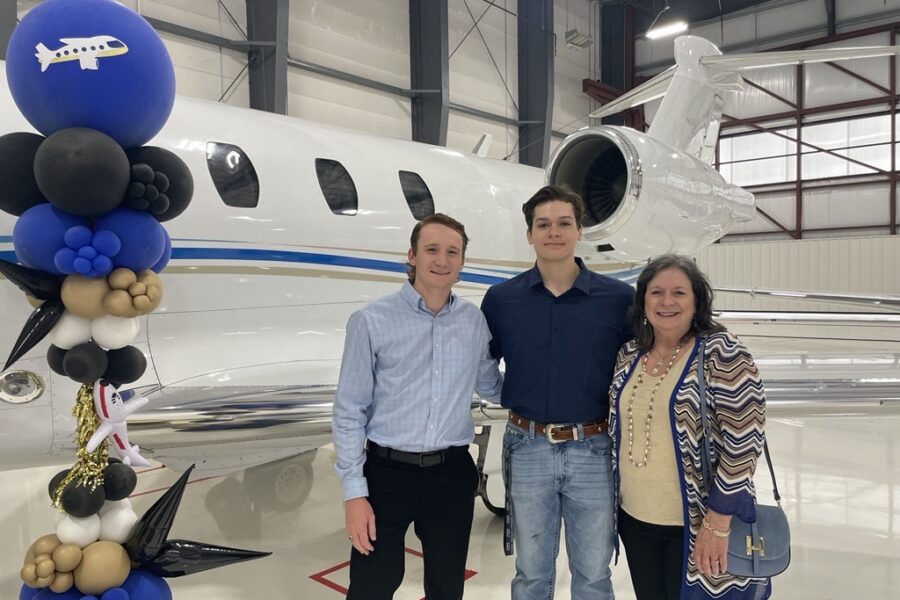
Watching both of my sons’ solos for the first time. It was simultaneously thrilling and terrifying. As a pilot myself, I understood the technical aspects and knew their instructors wouldn’t sign them off unless they were ready. But there’s something profoundly different about watching your own children take that leap of faith into solo flight.
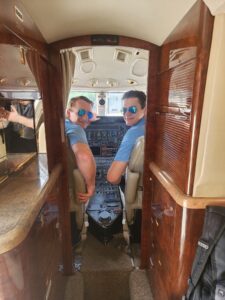
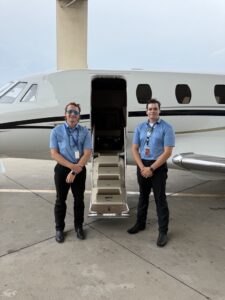
Another incredible experience was flying in one of the corporate jets our son Hunter was piloting. There was an empty leg flight one weekend morning, and I was able to fly home with him in the cockpit. For someone who always dreamed of flying corporate aircraft, seeing my sons achieve this goal was profoundly meaningful.
Both boys now fly life-saving missions as part of their jobs, too. They transport organs for transplants and even fly cardiologists to harvest hearts, then race against time to get back within three or four hours for the transplant surgery. They find these missions incredibly rewarding, and honestly, so do I. It’s aviation serving its highest purpose.
Is there a particular aviation project you’ve worked on that holds a special place in your heart?
Working on projects at Embry-Riddle Aeronautical University in Daytona Beach holds deep sentimental value for me. That’s where Tim and I met, where our story began, and where our professional foundation was built. Returning there feels like coming home.
From a professional standpoint, one of the most rewarding aspects of my work is seeing planning projects transition from concept to construction. As planners, we don’t always know whether funding will materialize or whether priorities will shift. But when I see our designs become reality, when I can stand on a taxiway or in a terminal that we helped plan, that’s when the work becomes truly meaningful.
The intersection of personal connection and professional achievement creates the most memorable projects. Having my sons fly me to client sites like Laredo and College Station has provided unique perspectives. They capture aerial photographs that end up on our proposal covers, and I gain insights that only come from seeing airports from a pilot’s perspective during approach and landing.
If you could travel back in time to witness any moment in aviation history, what would it be and why?
I’d like to witness the early days of Stinson Field in San Antonio, the second-oldest continuously operating airport in the US. It’s named after the Stinson family of aviators: Katherine, Marjorie, and their brothers. Katherine Stinson was known as the “Flying Schoolgirl,” and her pilot’s license was reportedly signed by one of the Wright brothers.
Stinson holds extraordinary significance for our family. Tim soloed there, both of our sons soloed there, and Tim served as airport manager there for eight years. During his tenure, he worked tirelessly to secure a historic marker for the airport, researching and documenting its rich aviation heritage.
What makes this even more special is that we have a photograph that captures our oldest son, Hunter’s, first solo flight. It was entirely coincidental, but that image now hangs in our office’s “aviation living room,” where all our aviation colleagues gather.
A Career Built on History
Amanda’s story illuminates a fundamental truth about exceptional careers: when personal passion aligns with professional purpose, extraordinary outcomes become possible. Her story also exemplifies the collaborative spirit that defines our approach to aviation planning. Amanda’s deep understanding of aviation enables her to approach each project with insights that transcend technical specifications.
This Aviation History Month, we celebrate not just the milestones of flight but also the individuals whose passion propels our industry forward. Amanda O’Krongley’s journey reminds us that aviation is more than infrastructure and engineering—it’s about dreams taking flight, one generation inspiring the next, and the extraordinary possibilities that emerge when we dare to soar.
Related Insights
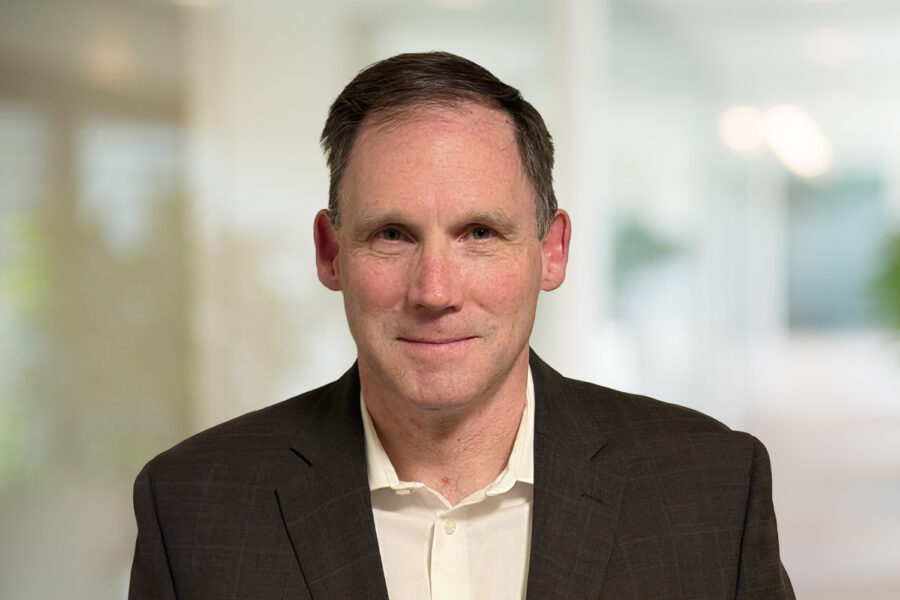
Cary steps into the role with over 20 years of experience leading planning, design, and construction teams for major infrastructure programs worldwide.
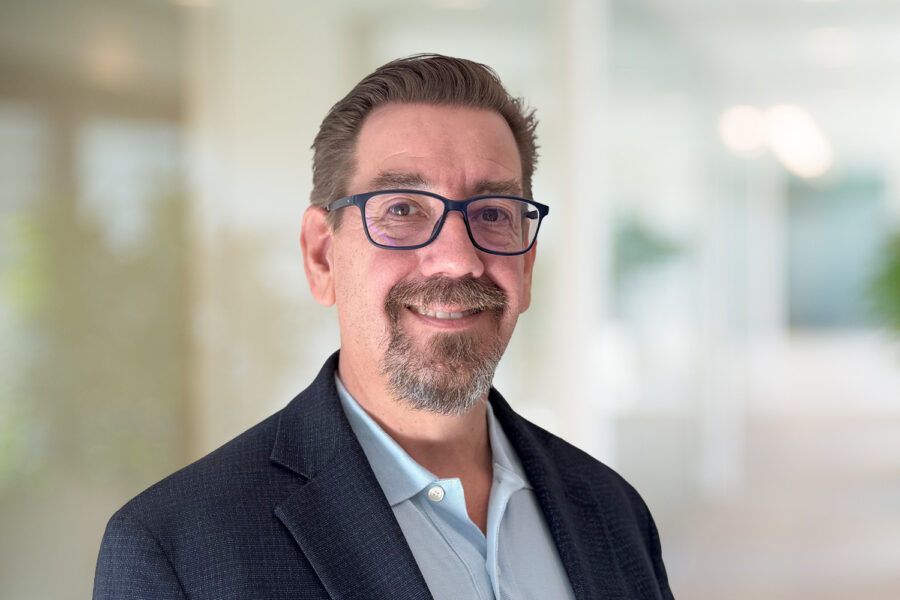
Marble’s extensive expertise includes leading multibillion-dollar capital improvement programs, strategic planning, and infrastructure modernization while working at some of the nation’s largest airports.
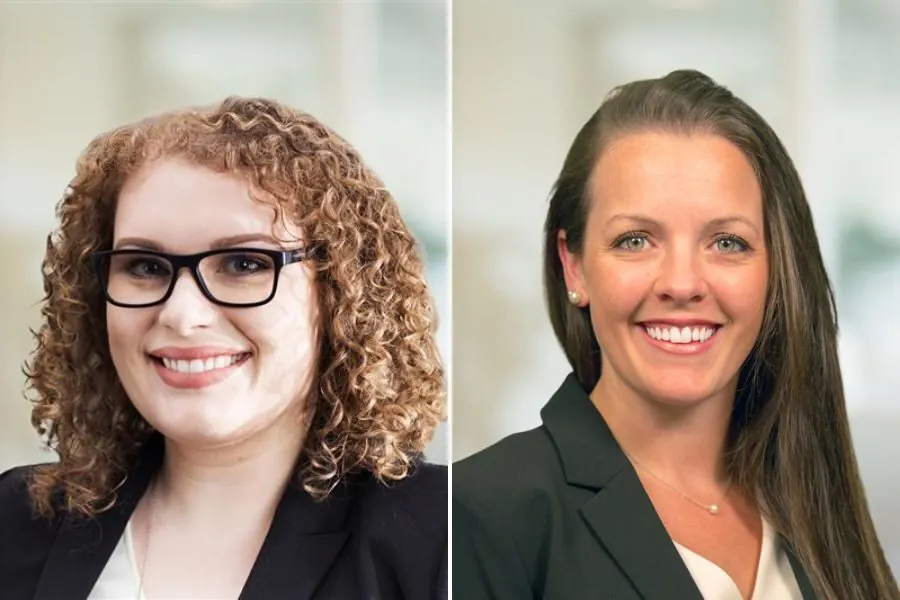
RS&H proudly announces that two of its outstanding aviation professionals have been nationally recognized in Airport Business magazine’s distinguished Top 40 Under 40 list for 2025.
Amy's journey shows the profound and often personal link our team members have to the work we do. Join us as we explore Amy's story, her passion for flight, and her vision for the future of aviation.